What Happens To Your Solar System After A Storm? A Ballina Installer’s Guide To Flood & Weather Damage
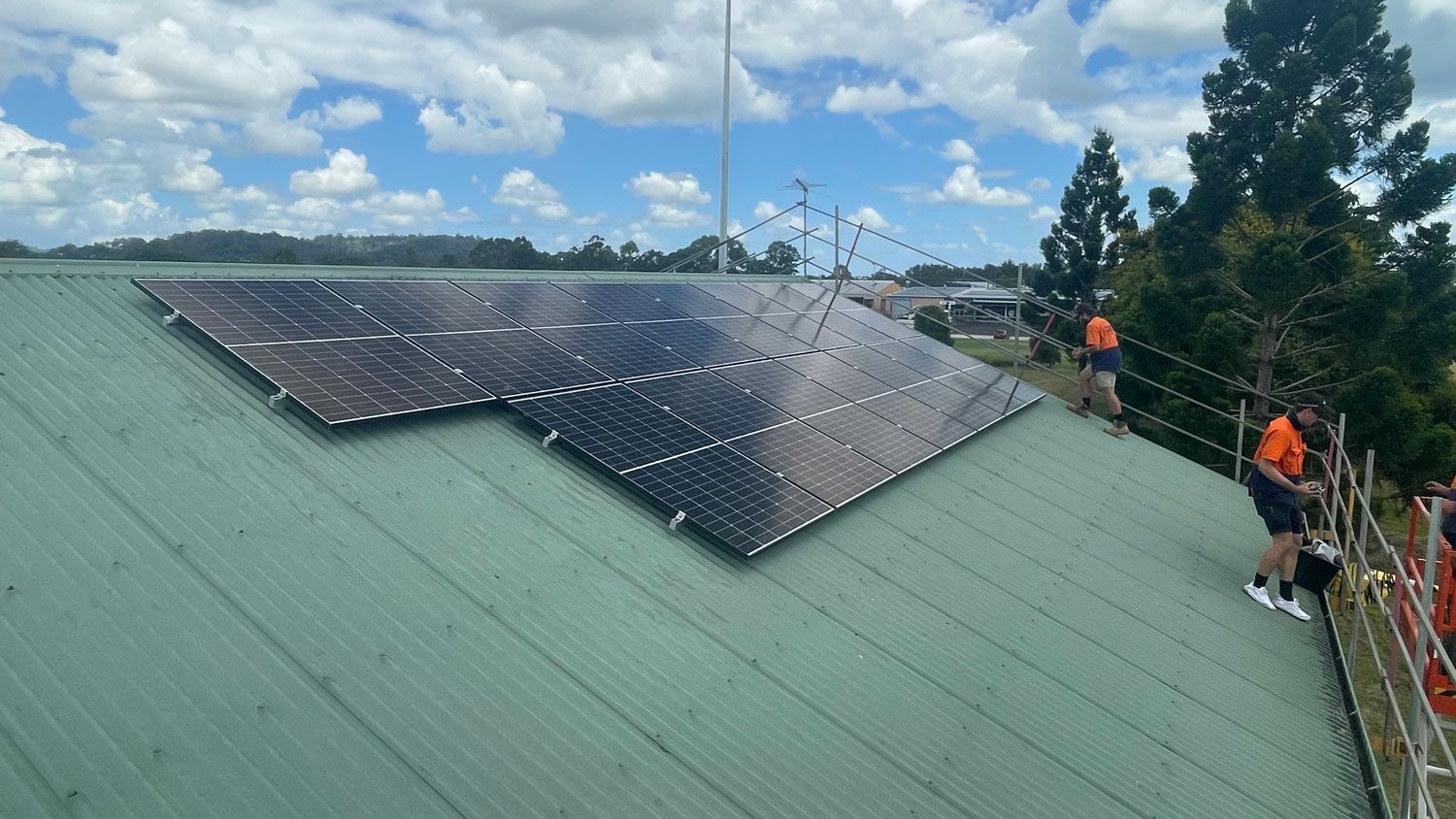
The Northern Rivers has seen its share of severe weather over the past few years. Heavy rain, flooding, damaging winds and hail have left many property owners checking roofs, switchboards and outdoor electrical equipment once the skies clear. For homes with solar, the concern often goes beyond visible roof damage. Even when panels appear untouched, hidden issues inside the system can develop after exposure to water, debris or prolonged moisture.
For homeowners relying on
solar in Ballina to offset electricity costs, it helps to understand what can happen to a solar system after a storm and what signs may point to damage. From water entering an inverter to loosened panel fixings or compromised isolators, some problems may not appear immediately. Knowing what to inspect and when to arrange a follow-up assessment can help reduce the risk of ongoing electrical faults or reduced solar output.
Storms Can Affect More Than Just the Panels
When people think about storm damage, they often picture cracked panels or branches across the roof. In reality, some of the most common solar-related issues occur in the supporting components around the system.
Floodwater, wind-driven rain and roof movement can affect:
- Inverters mounted in exposed locations
- DC isolators & cabling
- Roof penetrations around mounting brackets
- Solar battery storage systems
- Panel frames & rail fixings
In many cases, damage is not immediately obvious from ground level. A system may still produce some power while underlying faults develop over time. Corrosion, moisture ingress and compromised electrical connections can all affect long-term reliability.
Water Ingress Around the Inverter is a Common Issue
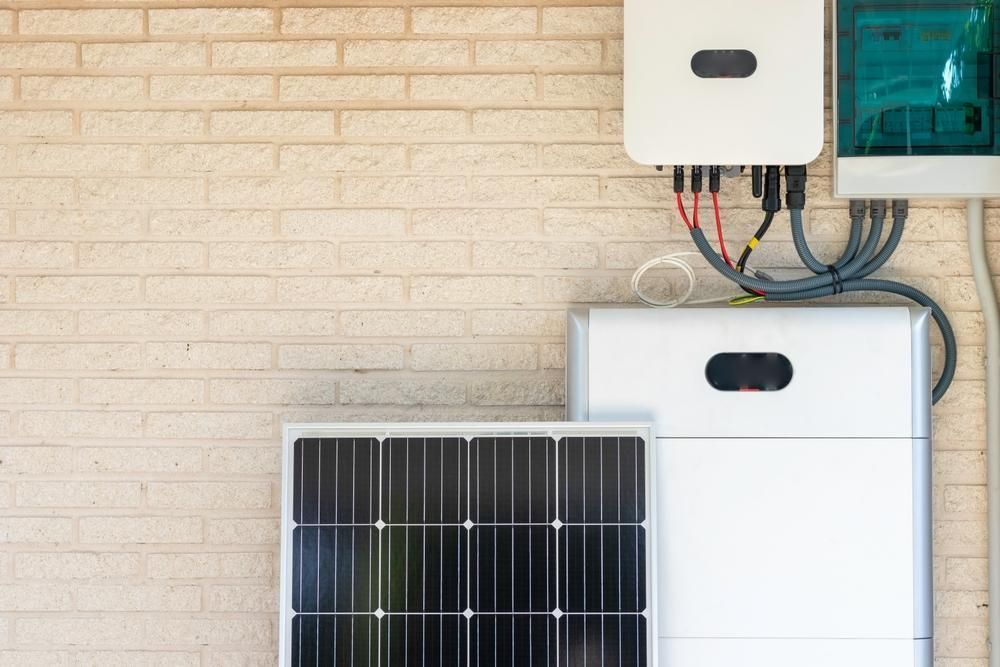
The inverter is one of the most sensitive parts of a solar setup. During heavy storms or flood events, moisture can enter through seals, conduits or damaged enclosures. Even small amounts of water can affect internal components.
Signs of possible inverter issues may include:
- Error messages or warning lights
- Reduced solar generation
- Intermittent shutdowns
- Unusual buzzing sounds
- Visible condensation inside the unit
If floodwater has reached the inverter itself, the system should not be switched back on until it has been inspected. Salt air and prolonged humidity can also contribute to corrosion in coastal environments, particularly when storm conditions combine with flooding.
For homes using solar power storage, battery systems connected to the inverter may also require inspection after severe weather exposure.
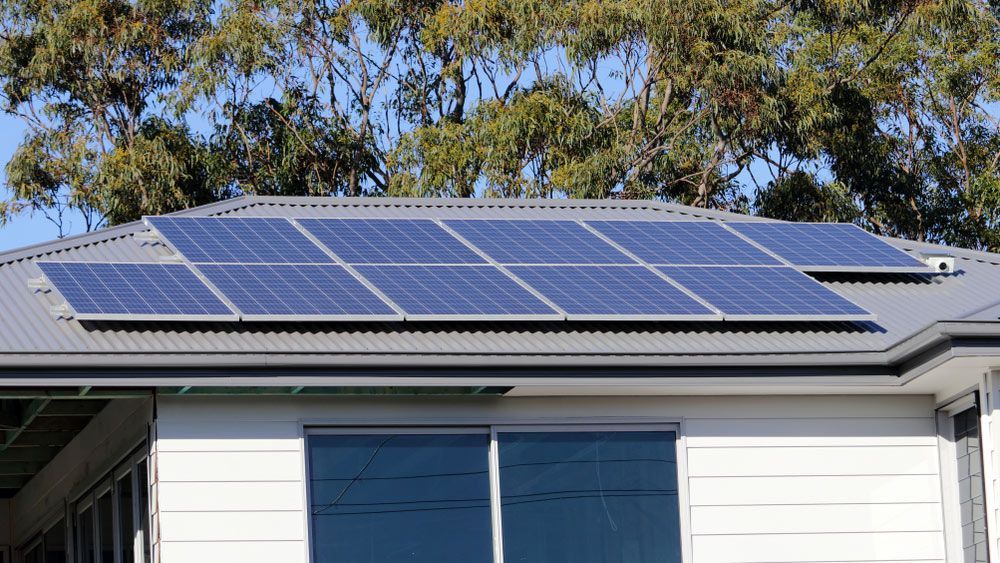
Roof Movement & Wind Can Loosen Mounting Hardware
Strong winds place pressure on roof structures and solar mounting systems. Even when panels remain attached, movement can loosen brackets, rails or clamps over time.
This can create problems such as:
- Panels shifting slightly out of position
- Increased vibration during future storms
- Gaps around roof penetrations
- Stress on electrical cabling
Loose hardware may not always be visible without a roof inspection. After major weather events, it is common for homeowners to focus on broken tiles or gutters while solar mounting systems go unchecked.
If a property has experienced repeated storms or flood recovery work on the roof, it may also be worth reviewing whether panel fixings remain properly secured.
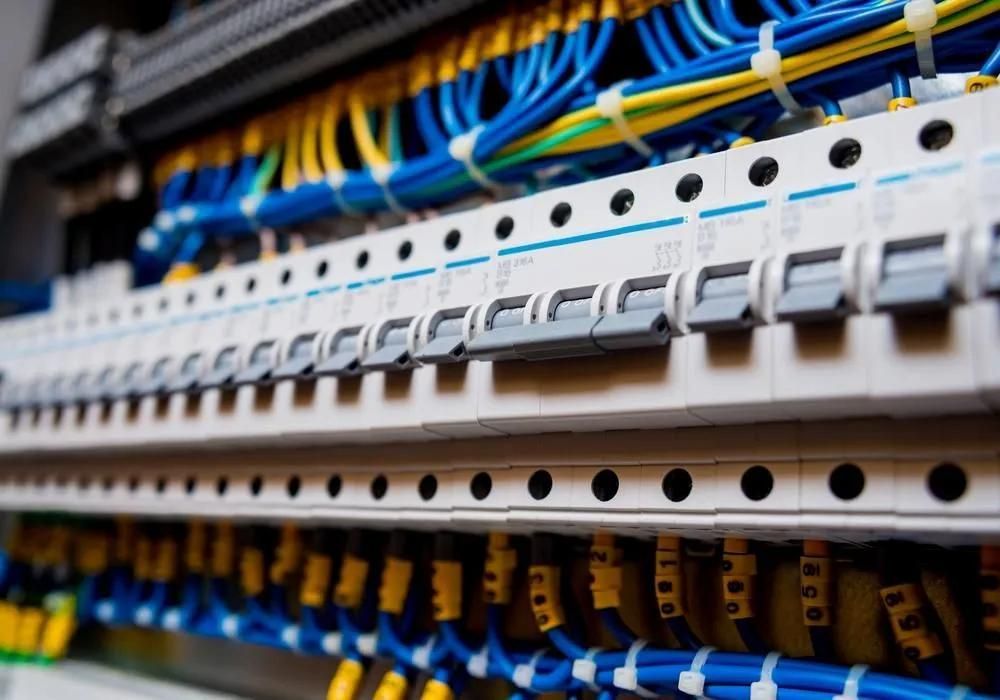
Isolators & Cabling Are Often Exposed to the Elements
Solar isolators are designed to safely disconnect parts of the system when needed. Because many are installed outdoors, they are regularly exposed to heat, rain and changing weather conditions.
During storms, problems can develop when:
- Water enters damaged seals
- UV exposure weakens plastic housings over time
- Debris impacts external components
- Flood moisture affects cable connections
Electrical faults involving isolators may not happen immediately after the storm itself. In some situations, issues appear weeks or months later as corrosion develops internally.
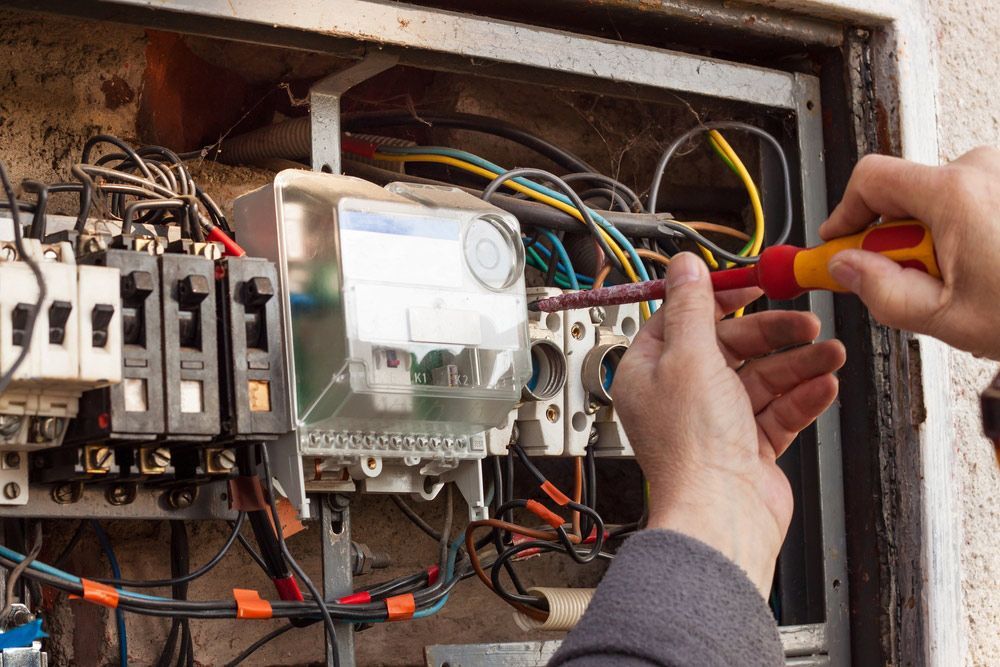
Property owners should avoid opening isolator covers or attempting to inspect electrical components themselves. Visible cracks, discolouration or signs of moisture around switches should be assessed by a licensed electrician.
Flooding Can Affect Solar Batteries & Storage Systems
As more households explore solar battery benefits, battery storage systems are becoming increasingly common alongside rooftop solar. Flood-prone areas have also raised new questions around battery safety and placement.
Are solar batteries worth it in areas exposed to severe weather? System design and installation location play an important role. Elevated mounting positions and protected installation areas may help reduce direct exposure to floodwater.
After flooding, battery systems may require inspection if:
- Water has entered the battery enclosure
- Debris has impacted the system
- Cables or mounting structures were submerged
- Ventilation areas were blocked
Battery storage systems contain electrical components that should not be restarted following flood exposure without proper assessment. Even if the battery appears operational, hidden internal damage may exist.
Despite these considerations, solar power storage continues to appeal to many households looking for backup energy support during outages caused by storms or network disruptions.
Insurance May Not Cover Every Solar-Related Issue
One of the more frustrating parts of post-storm recovery can involve insurance claims. While many policies cover storm-related roof or structural damage, solar systems are sometimes treated differently depending on the wording of the policy.
Insurance may cover damage caused by:
- Fallen trees or debris impact
- Hail damage
- Wind-related roof damage affecting panels
- Flood events included under the policy
However, some policies may not cover:
- Gradual deterioration
- Pre-existing corrosion
- Poor maintenance
- Water ingress linked to ageing seals
- Electrical faults without visible storm damage
Documentation can become important during the claims process. Photos taken after the storm, inverter error logs and inspection reports may assist when discussing damage with insurers.
Because solar systems involve both roofing and electrical components, multiple trades or assessments are sometimes involved during repairs.
Reduced Performance Can Be the First Warning Sign
Not all storm damage causes complete system failure. In many homes, the first sign of trouble is simply lower solar output.
This can happen when:
- Panels become partially disconnected
- Water affects electrical resistance
- Debris creates shading
- Inverters operate in fault mode
- Internal corrosion develops
Monitoring apps or inverter displays may show changes in generation levels after a weather event. Comparing solar production against previous periods can sometimes reveal underlying issues before major faults occur.
Homes using solar power storage may also notice battery charging patterns changing after storms. Reduced charging performance or inconsistent battery discharge can indicate that part of the system requires further investigation.
A Post-Storm Inspection Can Help Identify Hidden Issues
Once immediate roof or property repairs are addressed, solar systems are sometimes overlooked during the broader recovery process. However, even systems that appear intact may benefit from a follow-up inspection after significant weather events.
A post-storm solar assessment may involve checking:
- Panel mounting integrity
- Roof penetration sealing
- Inverter condition
- Isolator safety
- Cable condition
- Battery storage equipment
- Overall system performance
This is particularly relevant after flooding, hail or extended exposure to moisture. Early identification of issues may help reduce the likelihood of future electrical faults or further component damage.
For households relying on solar in Ballina as part of their everyday energy use, maintaining system safety and functionality after severe weather is an important part of long-term ownership.
Book a Solar System Check After Severe Weather
Storms and flooding can leave lingering effects on solar systems long after visible property damage has been cleaned up. At Peter Gow Electrical, we provide inspections and support for homeowners wanting to assess their solar setup after severe weather across Ballina and the Northern Rivers. If your property has experienced flooding, hail, strong winds or extended storm exposure, contact us to arrange a post-storm solar inspection and discuss any concerns around panel safety, inverter performance or solar power storage systems.