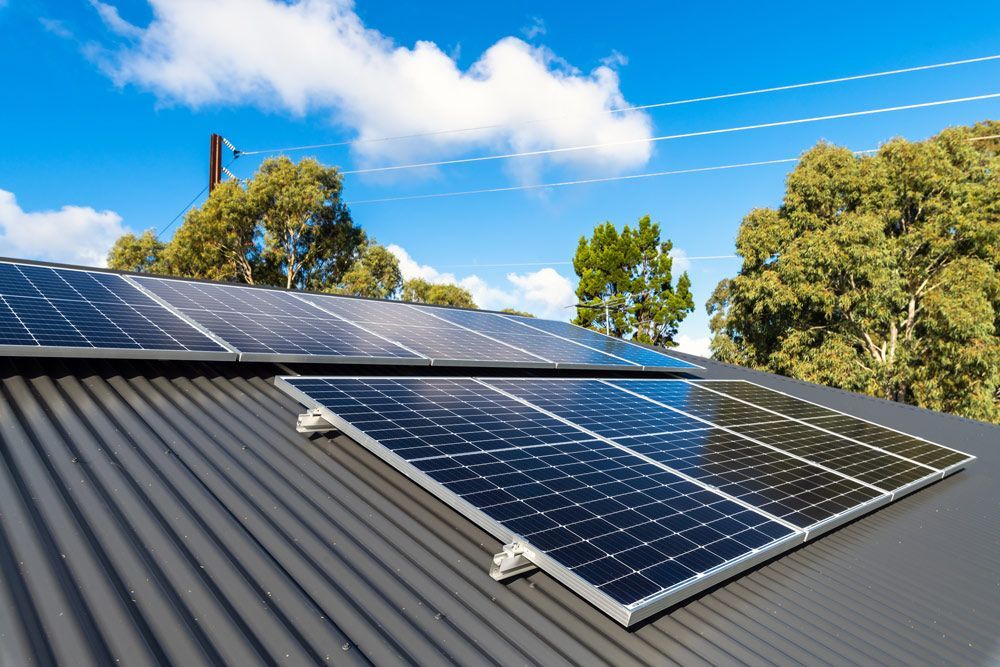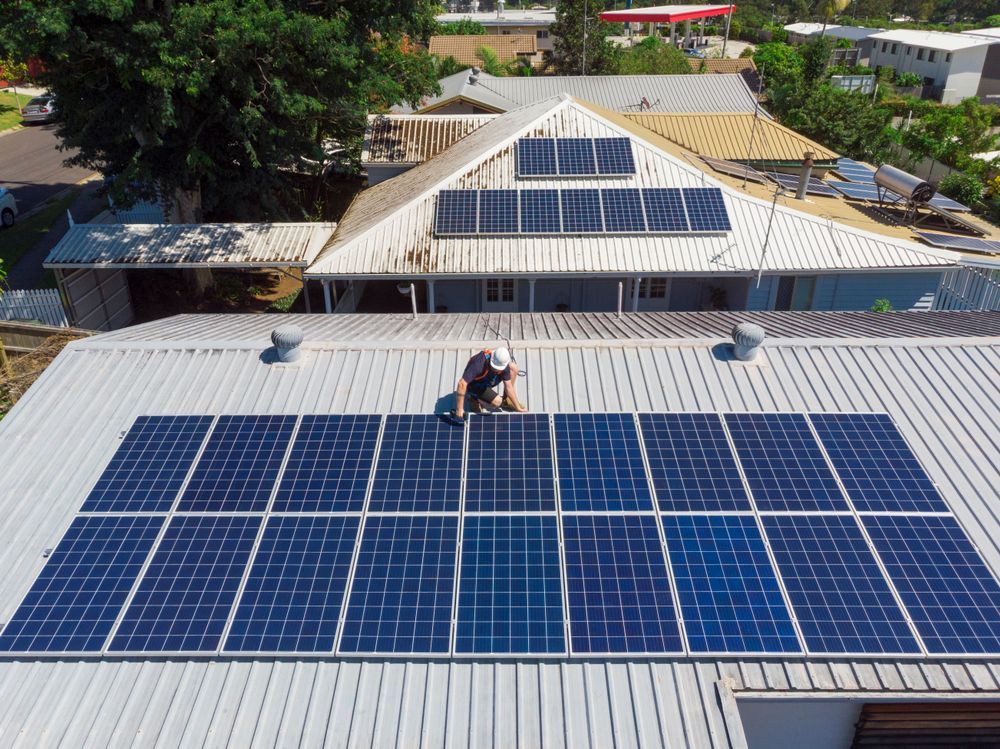
The Advantages Of Installing Solar Panels
Switching to solar energy is no longer just a trend. For many property owners, it has become a practical way to manage rising electricity costs while investing in long-term sustainability. Whether for residential homes or small commercial buildings, installing solar panels can deliver measurable financial and environmental outcomes when systems are properly designed and installed.
When considering solar in Ballina residents benefit from understanding the broader advantages of solar energy can help guide informed decisions. A well-designed system does more than generate electricity. It improves energy independence, stabilises power expenses and contributes to a more sustainable future.
Reducing Ongoing Electricity Costs
One of the most recognised benefits of solar panels is the potential reduction in electricity bills. Traditional grid electricity prices fluctuate and often increase over time. Solar systems allow property owners to generate their own electricity during daylight hours, lowering reliance on the grid.
Key cost-saving factors include:
- Lower daytime electricity consumption from the grid
- Reduced exposure to peak tariff pricing
- Potential feed-in tariff credits for excess power
- Long-term savings as energy prices rise
- Improved predictability of household energy costs
While upfront installation costs exist, long-term savings often offset the initial investment. Correct system sizing and professional installation are critical to achieving consistent performance and maximising return.
Increasing Energy Independence
Energy independence is another major advantage of solar energy. When a property generates its own electricity, reliance on external energy suppliers decreases. This can be particularly valuable during periods of high demand or grid instability.
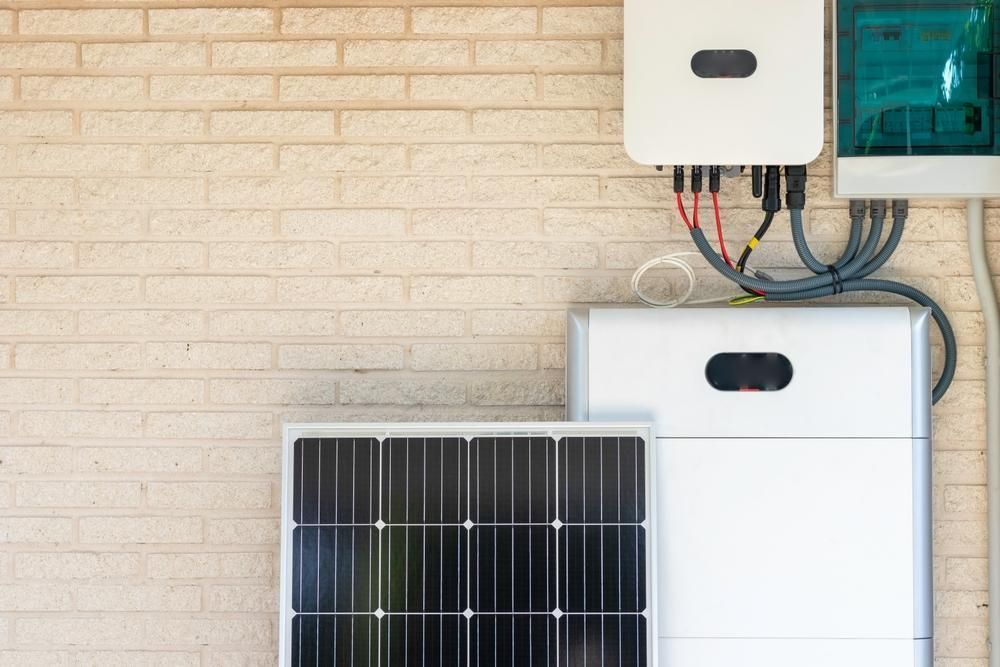
Solar battery systems can further enhance independence by storing excess energy generated during the day. Stored power can then be used at night or during outages.
Benefits of greater energy independence include:
- Reduced reliance on electricity retailers
- Backup power options with battery storage
- Protection against future energy price volatility
- Greater control over energy consumption
- Improved resilience during peak demand periods
For many households and businesses, this added control over energy usage provides both practical and financial reassurance.
Environmental Benefits of Solar Power
Beyond financial considerations, the environmental benefits of solar power are significant. Solar panels generate electricity without producing greenhouse gas emissions during operation. By reducing dependence on fossil fuels, solar systems contribute to lowering overall carbon footprints.
Environmental advantages include:
- Reduced greenhouse gas emissions
- Lower reliance on coal-generated electricity
- Cleaner air quality over time
- Contribution to broader renewable energy adoption
- Sustainable long-term energy production
As more properties adopt renewable systems, the collective environmental impact becomes more meaningful. Choosing solar represents a practical step toward sustainable living without sacrificing modern energy needs.
Long-Term Property Value
Installing solar panels can also influence property value. Buyers increasingly view renewable energy systems as desirable features. A professionally installed solar system signals lower operating costs and forward-thinking design.
Potential property-related benefits include:
- Enhanced appeal to environmentally conscious buyers
- Reduced operating expenses for future occupants
- Modern energy-efficient upgrades
- Increased competitiveness in property markets
- Demonstrated long-term cost planning
While property value increases vary, solar installations often add a measurable advantage in competitive markets.
Designed for Local Conditions and Performance
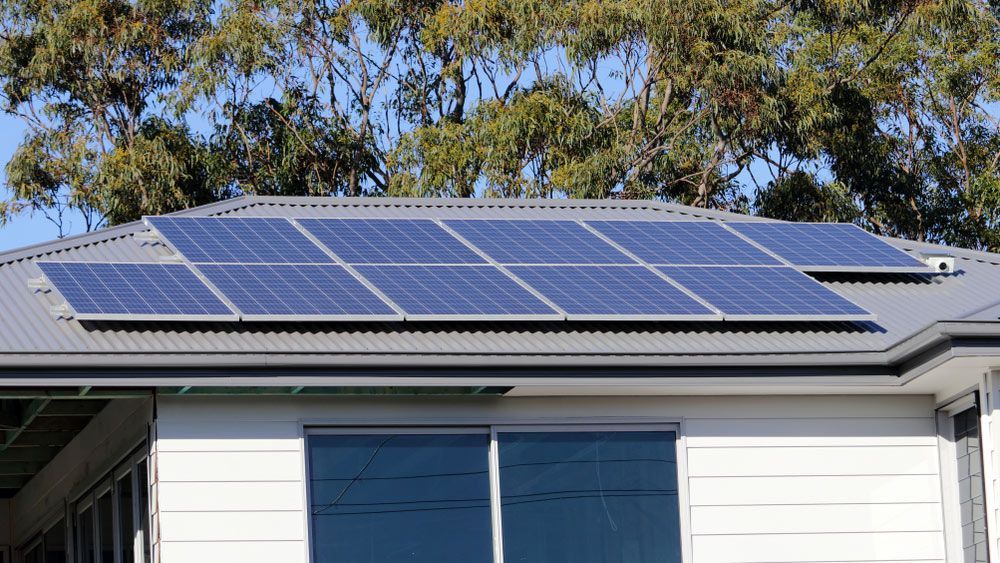
Not all solar systems perform equally. System design must account for roof orientation, shading, household usage patterns and local climate conditions. Professional assessment ensures panels are positioned to maximise energy production throughout the year.
Effective solar installations typically include:
- Detailed energy usage assessment
- Accurate system sizing
- High-quality panel and inverter selection
- Compliance with Australian safety standards
- Ongoing performance monitoring
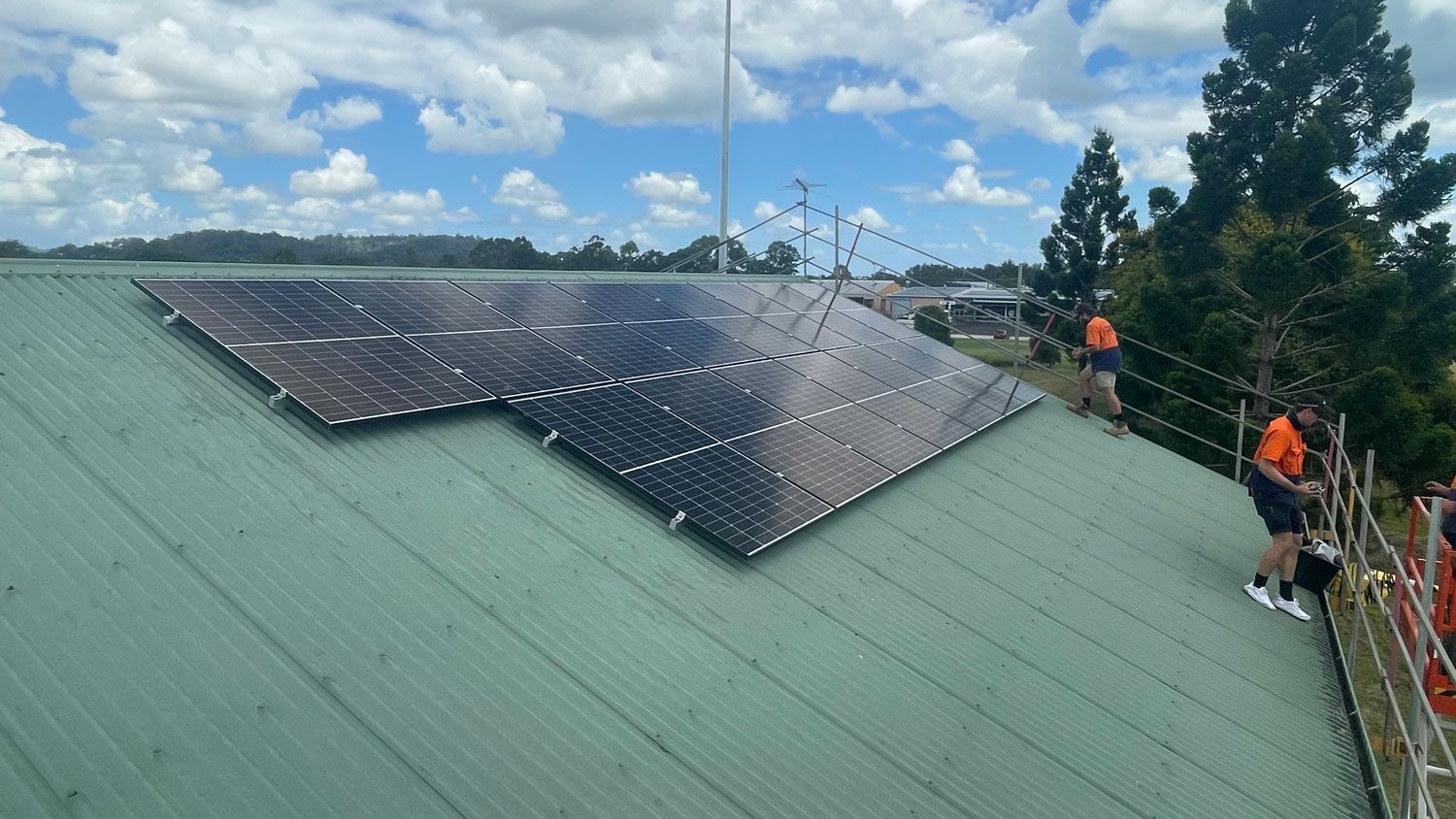
Proper design and installation help ensure that the benefits of solar panels are fully realised over the lifespan of the system.
Low Maintenance Requirements
Solar systems are generally low maintenance when installed correctly. Modern panels are built to withstand harsh weather conditions and operate reliably for decades. Routine inspections and occasional cleaning help maintain peak efficiency.
Maintenance advantages include:
- Minimal moving parts
- Durable, weather-resistant components
- Long manufacturer warranties
- Periodic performance checks
- Optional professional cleaning services
With appropriate aftercare, solar systems continue delivering energy savings and environmental benefits for many years.
Scalability for Changing Energy Needs
Energy usage patterns can change over time. Growing families, new appliances or business expansions may increase demand. Solar systems can often be expanded or paired with battery storage to adapt to evolving needs.
Scalable features may include:
- Additional panel installation capacity
- Battery storage upgrades
- Inverter system enhancements
- Monitoring system integration
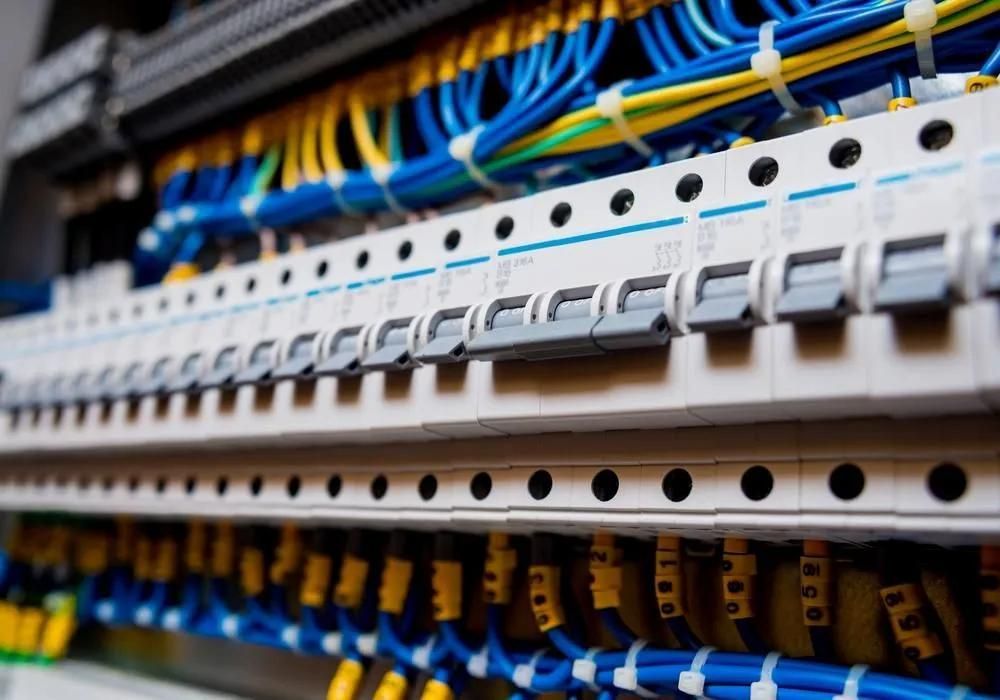
- Future-ready electrical infrastructure
This flexibility ensures that solar investments remain practical and adaptable long-term.
Protection Against Rising Energy Prices
Electricity prices have steadily increased over the past decade, placing pressure on household and business budgets. One of the practical advantages of solar energy is the ability to offset future price rises by generating your own electricity. While grid tariffs may fluctuate, solar production remains consistent once a system is installed and functioning correctly.
Long-term financial stability can be supported by:
- Locking in a portion of energy costs through self-generation
- Reducing exposure to seasonal tariff changes
- Supplementing grid use with stored solar energy
- Lowering operational costs for small businesses
- Planning future budgets with greater certainty
For property owners seeking predictability, solar offers a proactive approach rather than reacting to ongoing price increases.
Supporting Sustainable Communities
As more property owners invest in renewable energy, communities benefit collectively. Widespread solar adoption reduces strain on electricity networks and supports broader sustainability goals.
Community-level advantages include:
- Reduced grid congestion during peak periods
- Lower overall regional emissions
- Increased resilience across local infrastructure
- Support for renewable industry growth
- Contribution to long-term energy transition
By installing solar systems, property owners participate in shaping a more sustainable energy landscape.
Making an Informed Solar Decision
Understanding the advantages of solar energy allows property owners to evaluate whether installation aligns with their financial and environmental goals. While benefits are substantial, performance depends on correct design, professional installation and ongoing system care.
When considering solar, Ballina residents should evaluate factors including roof condition, daily energy usage, future consumption changes and potential battery integration. Professional guidance helps ensure systems are designed for long-term reliability rather than short-term savings alone.
The Advantages of Installing Solar Panels
If you are considering the advantages of solar panels for your home or business, professional advice can clarify what system configuration best suits your needs. At Peter Gow Electrical, we design and install tailored solar systems that prioritise efficiency, compliance and long-term performance.
To learn more about solar Ballina, clients can visit our website or contact our team to arrange a consultation and learn how a professionally designed system can reduce costs while improving energy independence.