NSW Solar Rebates & Battery Incentives Explained: How Ballina Homeowners Can Save Thousands in 2026
Understanding solar rebates in NSW is one of the most important first steps for homeowners in Ballina and the Northern Rivers considering solar installation in 2026. With electricity prices remaining a major household expense, state and federal incentive programs continue to play a significant role in reducing upfront system costs. However, rebates, battery incentives and feed-in tariffs can be confusing without clear guidance.
For property owners looking to maximise solar savings in NSW, knowing how each program works — and how they interact — helps ensure the best possible financial outcome. From Small-scale Technology Certificates to battery incentives and feed-in tariffs, careful planning and professional installation are essential to accessing available benefits.
How the Federal Small-Scale Renewable Energy Scheme Works
The federal Small-scale Renewable Energy Scheme (SRES) remains the largest contributor to reducing upfront installation costs for most homeowners. Under this program, eligible solar systems generate Small-scale Technology Certificates (STCs), which act as a financial incentive applied at the point of sale. The number of STCs created depends on:
- System size in kilowatts
- Installation location
- The remaining deeming period
- Installation date
Ballina and the Northern Rivers fall within a favourable solar zone, which can increase the number of certificates generated compared to lower sunlight regions. These certificates are usually assigned to the installer in exchange for an immediate price reduction, effectively forming the backbone of current solar rebates in NSW. Because STC values fluctuate on the open market, the final discount may vary slightly. A qualified installer calculates this accurately at the time of quoting.
Understanding Solar Battery Incentives in NSW
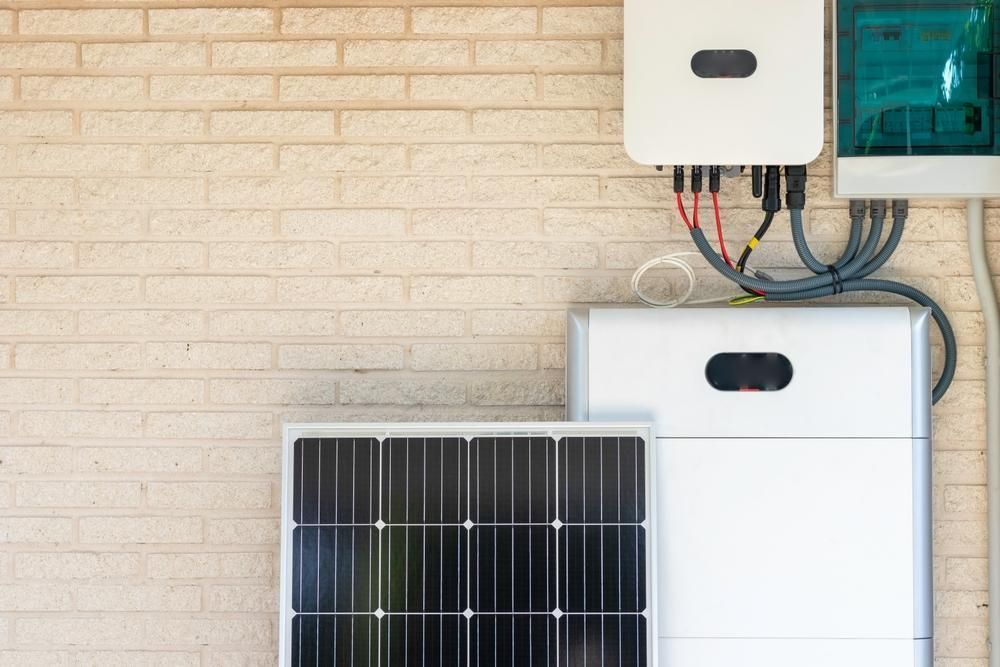
Battery storage is becoming increasingly attractive as energy prices rise and feed-in tariffs gradually decrease. While batteries add to the upfront investment, emerging programs linked to the solar battery rebate in NSW aim to improve accessibility. Battery incentives may include:
- State-backed rebate programs
- Interest-free financing schemes
- Virtual power plant participation incentives
- Network-specific grants
These programs often have eligibility conditions, such as approved battery models, minimum system sizes or participation agreements. Homeowners considering battery integration should review the full terms carefully. When combined with federal STCs and other solar incentives in NSW, battery rebates can significantly improve long-term energy independence and self-consumption rates.
Feed-In Tariffs & Export Credits Explained
Feed-in tariffs compensate households for exporting surplus electricity back to the grid. Although tariff rates are lower than in earlier years, they still contribute to overall solar savings in NSW. Important considerations include:
- Retailer-specific feed-in rates
- Contract length and conditions
- Time-of-use pricing
- Export limitations
Retail electricity providers set their own feed-in rates, which means comparing offers is important. While feed-in credits are beneficial, modern system design increasingly focuses on self-consumption rather than relying solely on export payments. A professional solar electrician in Northern Rivers can help homeowners understand how feed-in tariffs fit into a broader energy strategy.
Eligibility Requirements & Compliance
Accessing solar rebates in NSW requires strict compliance with program guidelines. Installations must be completed by accredited professionals using approved components. Eligibility typically depends on:
- Property ownership
- System capacity limits
- Approved inverter and panel brands
- Clean Energy Council accreditation
- Grid connection approval
Failure to meet compliance standards can delay connection or affect rebate eligibility. Ensuring all paperwork is completed correctly is just as important as the physical installation. Professional installers guide homeowners through documentation requirements, ensuring that both STCs and any applicable solar incentives in NSW are processed efficiently.
Estimated Savings for Ballina & Northern Rivers Homes
The level of solar savings in NSW varies depending on energy usage patterns and system configuration. Key factors influencing savings include:
- Household electricity consumption
- Daytime usage levels
- System size
- Battery inclusion
- Electricity tariff structure
Homes that consume a significant portion of their electricity during daylight hours typically see faster financial benefits. In Ballina and surrounding areas, consistent sunlight levels support strong annual generation performance. While precise savings depend on individual circumstances, professional load analysis provides a clearer understanding of potential outcomes rather than relying on broad estimates.
Why Professional Installation Matters
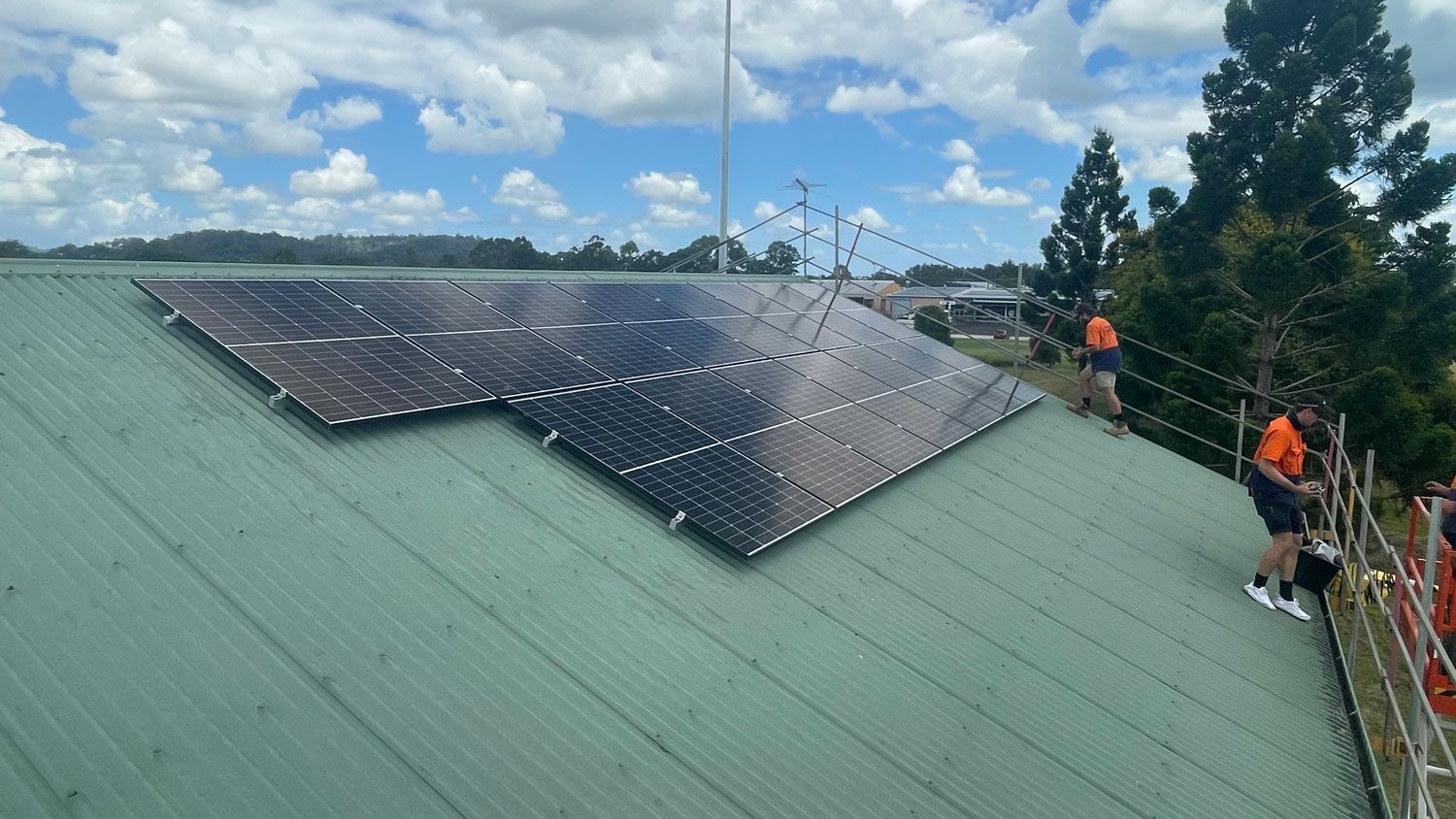
Solar systems must meet electrical safety standards and grid compliance requirements. Engaging a qualified solar electrician in Northern Rivers ensures safe installation and proper documentation. Professional installation includes:
- Site inspection and shading assessment
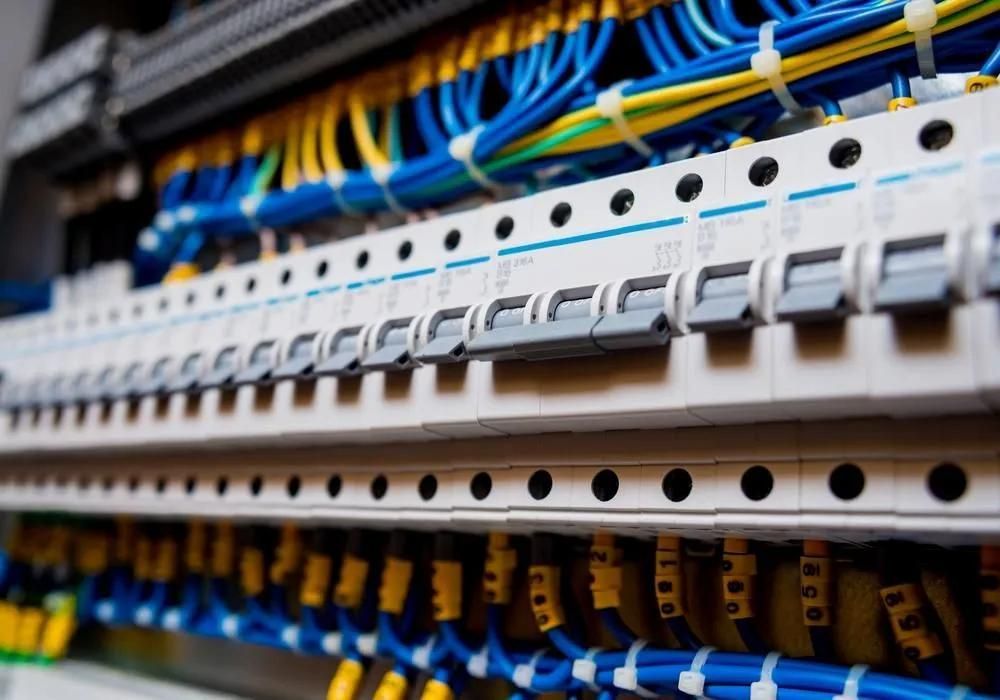
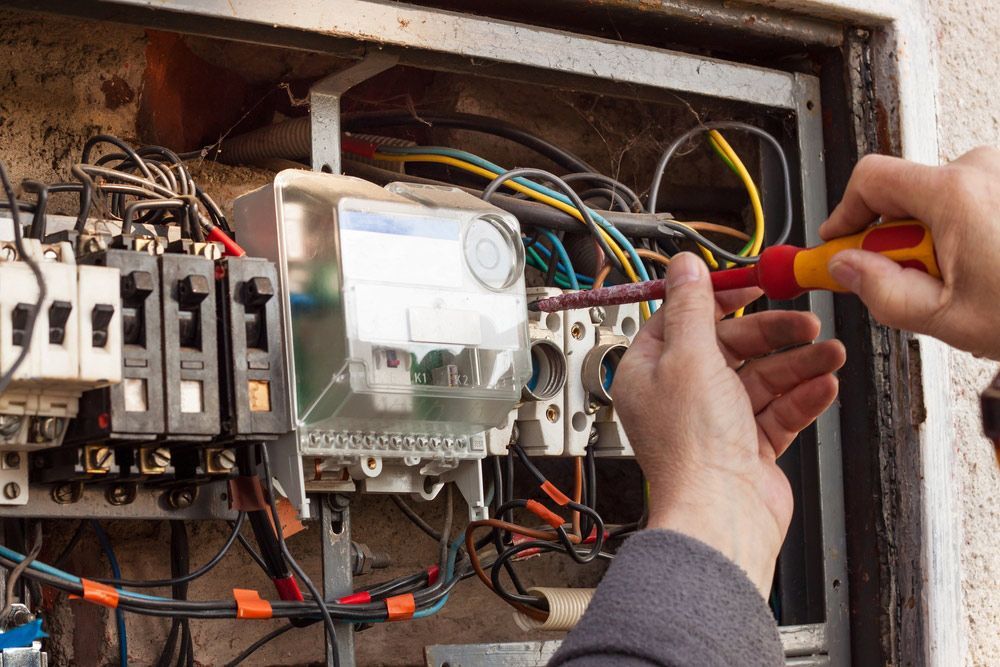
- Switchboard evaluation
- Electrical safety checks
- Meter coordination
- Grid connection approval
Incorrect installation can result in reduced system efficiency, voided warranties or ineligibility for rebates. A licensed electrician ensures the system is both safe and optimised for performance. Peter Gow Electrical works with homeowners across Ballina and the Northern Rivers to deliver compliant installations that align with current solar incentives in NSW.
Designing a System That Maximises Incentives
Correct system design influences rebate value and long-term savings. Oversizing or undersizing panels can affect STC calculations and export limits. When designing systems, professionals assess:
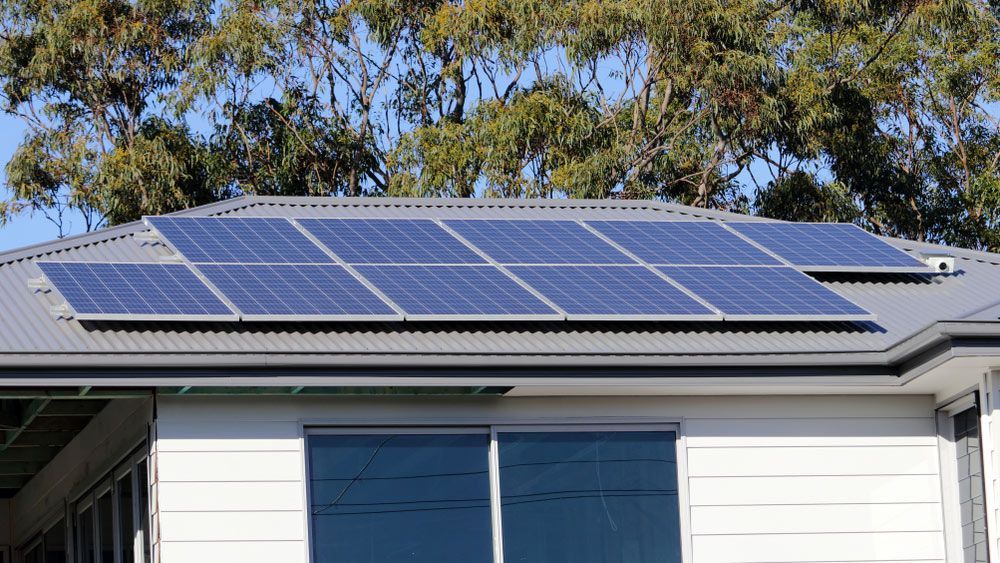
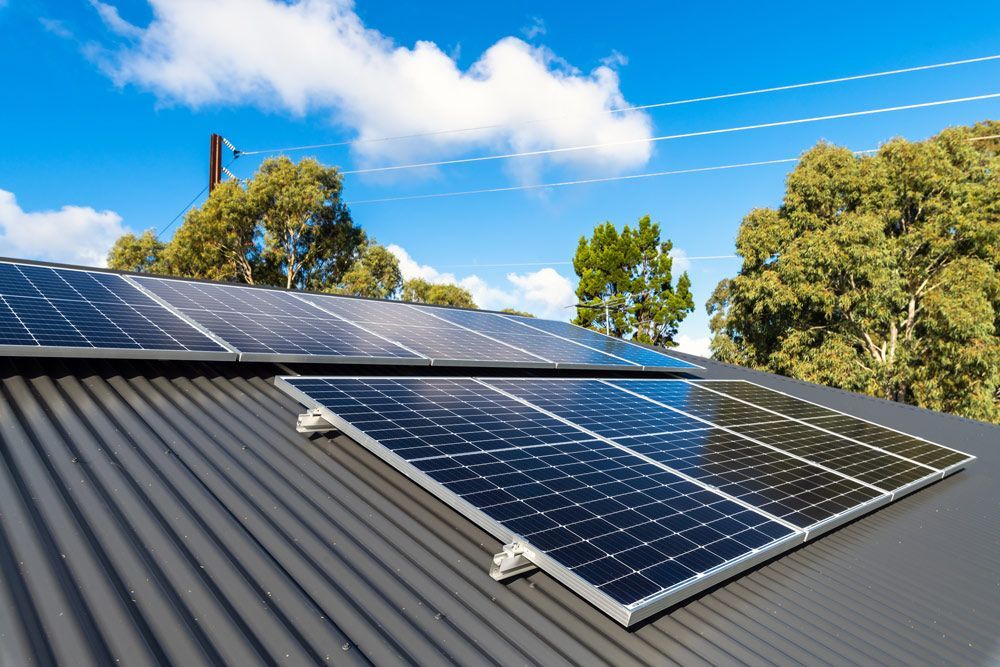
- Roof orientation and pitch
- Available installation area
- Household load profile
- Future energy plans
Strategic design ensures homeowners capture the maximum benefit available through solar rebates in NSW without compromising system performance. It also allows for future battery expansion if desired.
Battery Integration & Long-Term Energy Strategy
Battery storage improves self-consumption by allowing excess daytime energy to power evening usage. As export tariffs reduce, batteries become increasingly relevant to overall solar savings in NSW. Battery systems can:
- Reduce reliance on peak grid pricing
- Increase energy independence
- Provide limited blackout support
- Improve overall efficiency
When considering eligibility for a solar battery rebate in NSW, households should evaluate long-term energy goals rather than focusing solely on initial incentives. Professional advice ensures batteries are sized appropriately and integrated safely.
Navigating Changing Incentive Programs
Energy policies and rebate programs evolve over time. Staying informed about updated solar incentives in NSW is important when planning installation timing. Incentive changes may affect:
- STC deeming periods
- Battery grant availability
- Feed-in tariff structures
- Network export limits
Working with a knowledgeable solar electrician in Northern Rivers helps homeowners navigate these updates confidently. Accurate advice ensures installations align with current regulations and maximise financial opportunity.
Making an Informed Solar Investment
Installing solar is a long-term investment decision. Understanding eligibility, rebate structures and compliance requirements helps households make confident choices. By combining federal STCs, applicable battery programs and strategic system design, homeowners in Ballina and the Northern Rivers can improve access to solar rebates in NSW while positioning themselves for sustained solar savings in NSW.
For personalised advice and compliant solar installation services, contact or visit Peter Gow Electrical and speak with an experienced local team.