Hybrid Solar Explained: What You Need To Know
Power bills in the Northern Rivers have a habit of creeping up, and most homeowners only notice once a quarterly statement lands with a number that doesn't match expectations. It's one of the reasons more property owners are looking past standard rooftop panels and asking about systems that store energy rather than simply generate it. Hybrid solar sits in that space, offering something between a basic grid-connected setup and full energy independence. Understanding how it works, and whether it suits your property, makes the difference between a system that earns its keep and one that underdelivers.
This guide walks through what a hybrid system actually is, how the technology functions day to day, and where it fits for homes considering solar in Ballina.
What Is a Hybrid Solar System?
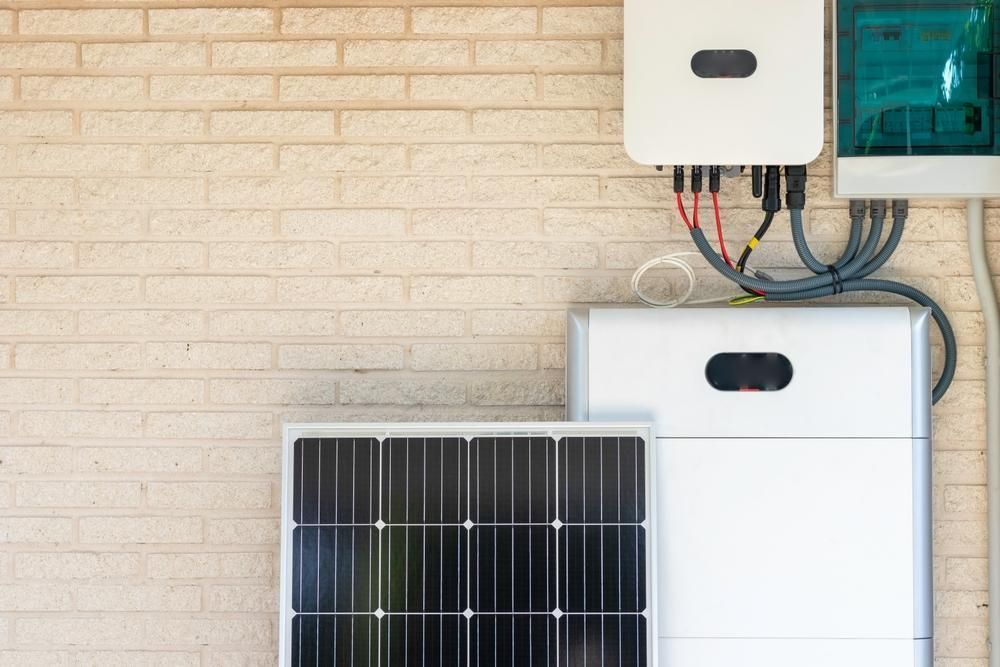
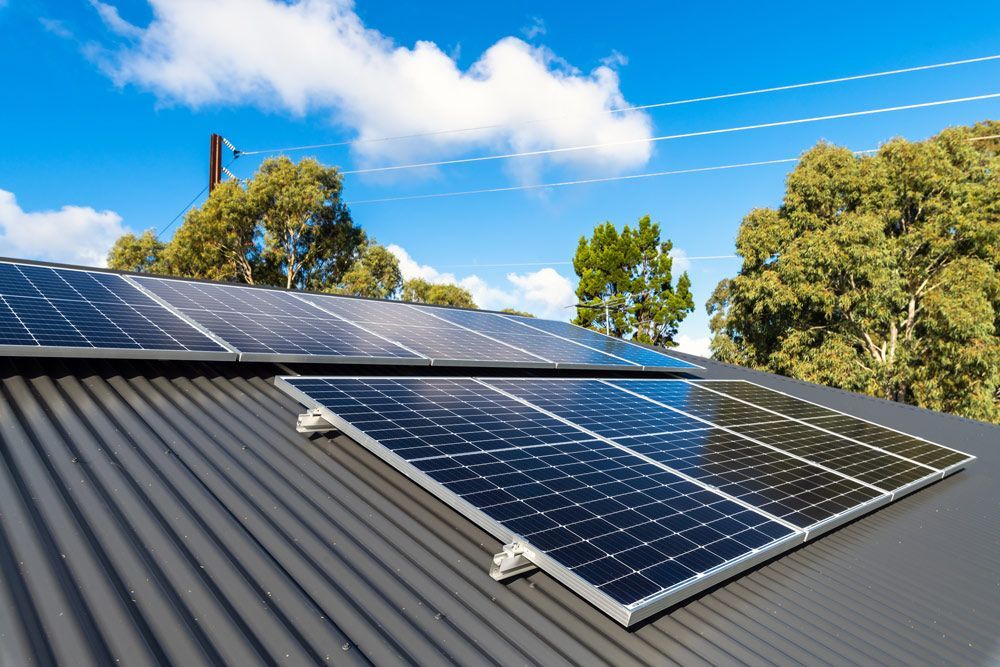
A hybrid solar system combines rooftop solar panels with a battery storage unit, while still remaining connected to the mains grid. It's designed to capture the benefits of solar generation and battery storage without cutting a property off from the grid entirely.
Unlike a standard grid-connected system, which sends any unused solar power straight back to the grid, a hybrid setup stores that excess energy in a battery first. The grid connection stays in place as a backup, so power is available even when the battery is depleted or the sun isn't cooperating.
Key components typically include:
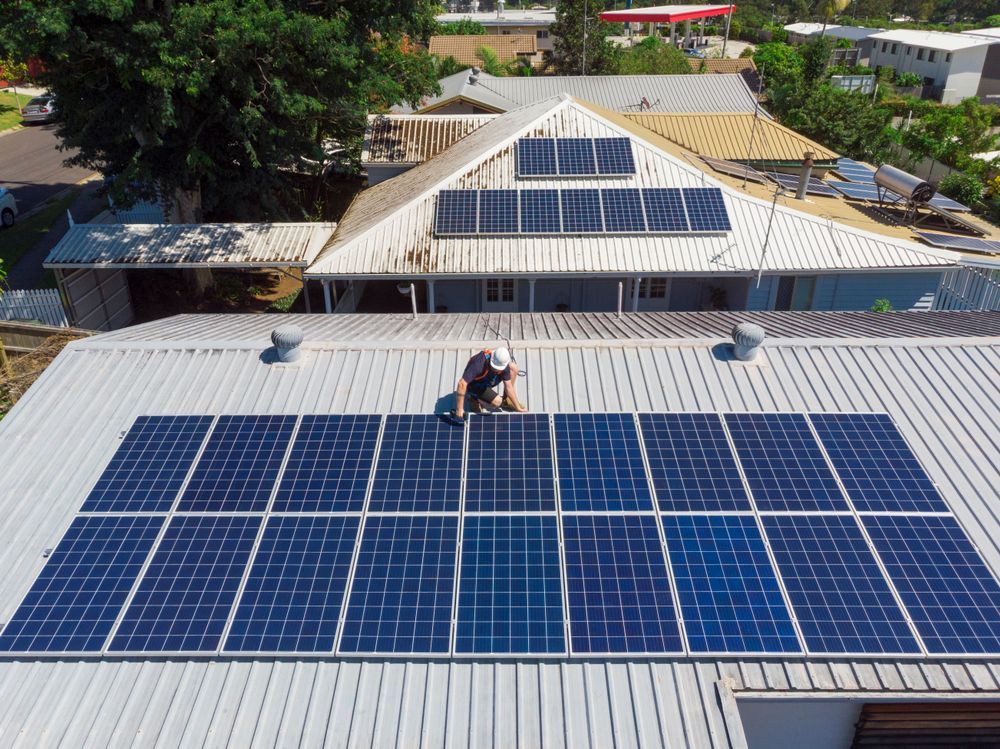
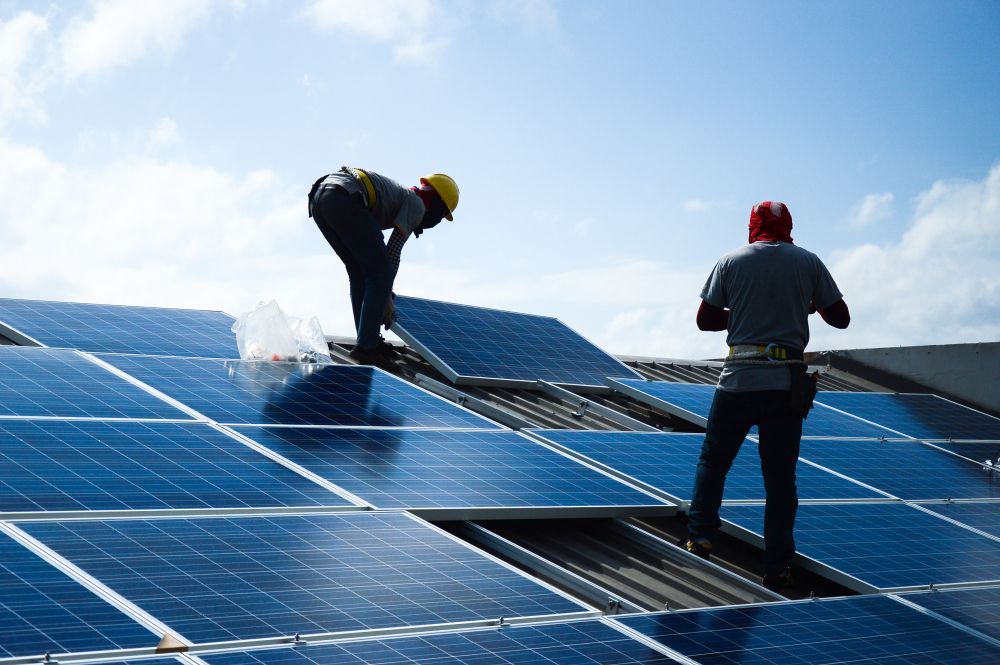
- Solar panels to generate electricity from sunlight
- A hybrid inverter that manages both solar input and battery charging
- A battery storage unit to hold excess energy for later use
- A grid connection point for backup supply and feed-in credits
How Does a Hybrid Solar System Work?
During daylight hours, solar panels generate electricity that first powers the home directly. Any surplus is directed to the battery rather than being exported immediately, and once the battery reaches capacity, remaining excess energy is sent to the grid.
In the evening or during overcast periods, the system draws from the stored battery power before pulling from the grid. This sequencing is managed automatically by the hybrid inverter, which constantly balances where energy comes from and where it goes.
The typical flow looks like this:
- Solar panels generate power during the day
- Household appliances draw directly from solar generation first
- Excess solar charges the battery
- Once the battery is full, surplus energy exports to the grid
- At night, the home draws from the battery, then the grid if needed
This means a well-sized hybrid system can significantly reduce a household's reliance on grid electricity, particularly during evening peak periods when energy costs are often highest.
Hybrid vs Grid-Connected vs Off-Grid Solar: What's the Difference?
Property owners often compare hybrid systems against the two more familiar options: standard grid-connected solar and fully off-grid solar. Each serves a different purpose.
- Grid-connected solar generates power during the day and exports any excess to the grid for feed-in credits, with no battery storage. It's generally the most affordable option upfront but offers no backup during blackouts.
- Off-grid solar operates entirely independently of the electricity grid, relying on solar generation and battery storage alone. It requires a larger battery capacity and careful energy management, and is most common in rural or remote properties without grid access.
- Hybrid solar sits between the two, offering battery storage for energy independence during the day and evening, while keeping the grid as a safety net for extended low-generation periods.
The right choice depends on factors such as location, energy usage patterns and how much a property owner values backup power during outages.
The Benefits of a Hybrid Solar System
Hybrid systems appeal to property owners who want more control over their energy use without fully disconnecting from the grid. The main advantages centre on cost, reliability and flexibility.
- Reduced reliance on grid electricity during peak pricing periods
- Backup power during blackouts, provided the battery holds charge and the inverter is configured for backup mode
- Better use of self-generated solar power rather than exporting it for comparatively low feed-in tariffs
- Flexibility to expand battery capacity later as household energy needs change
- Potential to reduce exposure to rising electricity prices over time
It's worth noting that actual savings depend on household energy consumption, battery size and how the system is configured. A system sized incorrectly for a property's usage patterns won't deliver the same results as one properly matched to the household.
When Is Hybrid Solar the Right Choice?
Hybrid solar isn't automatically the right fit for every property. It tends to suit specific circumstances rather than being a universal upgrade.
Hybrid solar is often worth considering when:
- Electricity usage is heavily weighted towards evenings, after solar generation has dropped off
- The property experiences frequent outages or is in an area prone to grid instability
- Feed-in tariffs in the area are low, making battery storage more valuable than exporting excess power
- There's an intention to add electric vehicle charging or other significant future loads
- The household wants a stepping stone towards greater energy independence without committing to a fully off-grid setup
For properties with modest daytime energy use and reliable grid supply, a standard grid-connected system may still be the more cost-effective option. If you're weighing up a hybrid setup, our solar Ballina team can assess your roof, energy usage and grid connection to recommend the right system for your home.
Is Hybrid Solar Worth It for Ballina & Northern Rivers Homes?
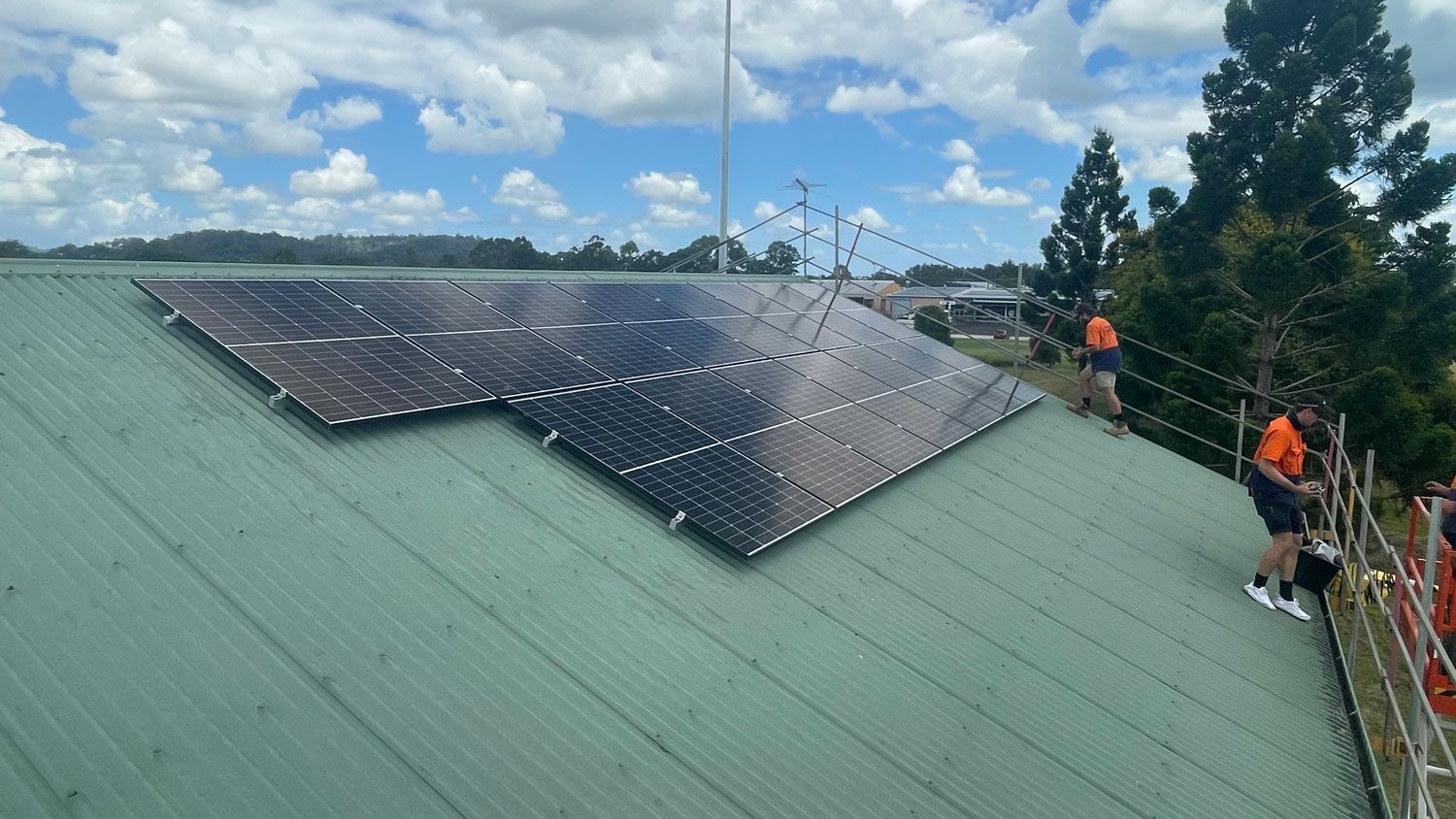
Ballina and the surrounding Northern Rivers region receive solid solar exposure across most of the year, which supports strong generation potential for rooftop systems. Coastal humidity and occasional severe weather, including storm season, are also relevant considerations when planning a system, particularly around backup power during outages.
For homes in the area, hybrid solar can be a practical option where:
- Storm-related outages are a recurring concern
- Energy usage patterns lean towards evening cooling, heating or appliance use
- Property owners want to make the most of solar generation rather than relying heavily on grid feed-in
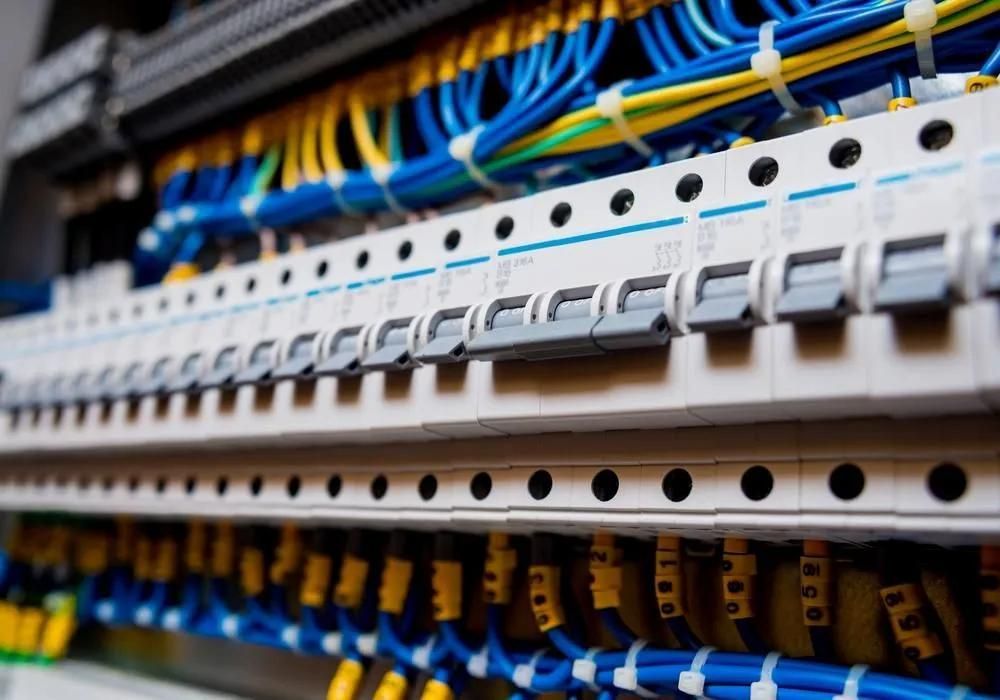
Local factors such as roof orientation, shading from established trees and existing switchboard capacity all play a part in determining system size and battery capacity. New to solar? Our guide to the advantages of installing solar panels covers the cost savings and energy independence that make hybrid systems so appealing.
Get Expert Hybrid Solar Advice from a Licensed Ballina Electrician
We at Peter Gow Electrical understand that every property in Ballina and the Northern Rivers has different energy needs, roof conditions and budget considerations. Working out whether hybrid solar makes sense for your home involves looking at your actual usage patterns, your existing electrical setup and your goals, whether that's backup power, lower bills or reduced grid reliance.
If you're considering solar in Ballina and want a straightforward assessment of your options, get in touch with our team to arrange a site visit and discuss what a hybrid system could look like for your property.
Frequently Asked Questions
Is a hybrid solar system more expensive than a standard solar system?
Yes, hybrid systems generally cost more upfront due to the addition of a battery and hybrid inverter. The difference in price depends on battery capacity and brand, so it's worth getting a tailored quote based on your household's energy usage.
Can I add a battery to my existing solar panels later?
In many cases, yes, though it depends on whether your current inverter is compatible with battery integration or needs replacing. An electrician can assess your existing system to determine the most cost-effective path forward.
Will a hybrid system keep my power on during a blackout?
It can, but only if the battery has charge and the system is specifically configured for backup power, as not all hybrid installations include this feature by default. It's important to confirm backup functionality when discussing your system design.
How long do solar batteries typically last?
Most solar batteries carry warranties ranging from around 10 years, though actual lifespan depends on usage patterns, depth of discharge and the specific battery chemistry. Your installer should be able to provide manufacturer-specific details during the quoting process.