Is Solar Battery Storage Worth It For Ballina Homeowners?
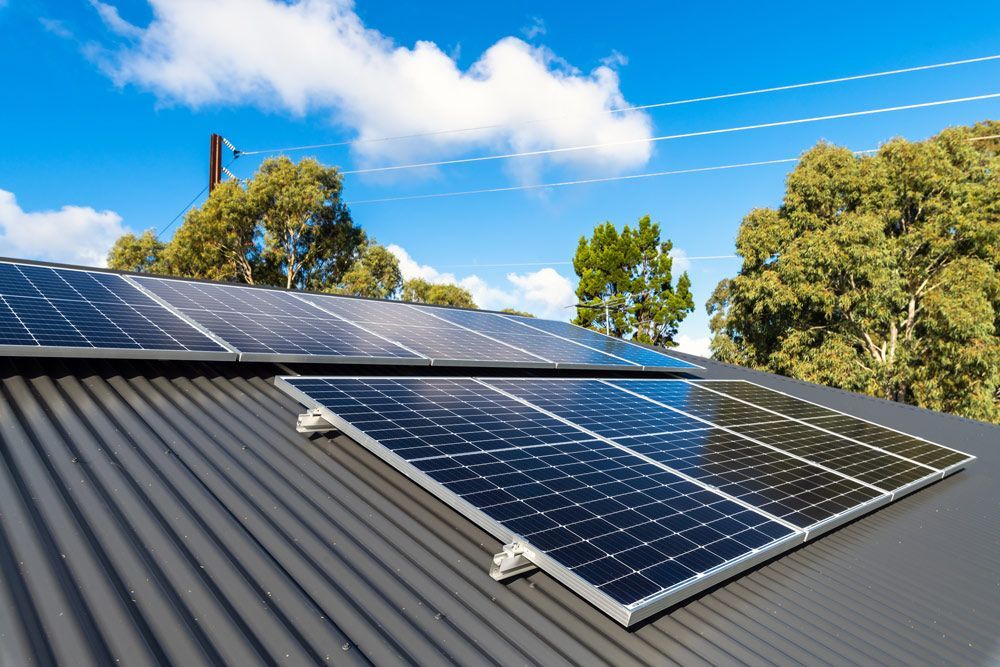
For many homeowners considering solar Ballina options, battery storage can be worth exploring if you generate excess solar during the day but use significant electricity after sunset. The financial case depends on your usage pattern, electricity plan, solar production, battery size, available incentives and how much grid electricity the battery can help you avoid buying.
A battery isn't automatically the right investment for every Ballina household. The best way to judge its value is to look at when you generate electricity, when you consume it and what happens to the excess solar you currently export.
How Does Solar Battery Storage Work?
Solar battery storage captures excess electricity produced by your solar panels instead of immediately exporting all of it to the grid. That stored energy can then supply your home later, such as during the evening when your panels are no longer generating enough electricity.
For example, imagine a Ballina household where most family members are away during the middle of the day. The solar system may generate substantial energy while consumption is relatively low, then household demand rises in the evening when everyone returns home.
Without a battery, much of that daytime surplus may be exported. The household then purchases electricity from the grid later.
With a suitably sized battery, some of that excess daytime solar can instead be stored for evening use. This can increase the amount of solar energy the household consumes itself and reduce reliance on grid electricity.
Is a Solar Battery Worth It in Australia?
Whether a battery is worth it depends on the individual household rather than solar ownership alone. Homes that regularly export excess solar during the day and consume substantial electricity after sunset generally have a stronger case for investigating battery storage.
The NSW Government identifies households with solar, or those planning solar, and homes with substantial evening electricity consumption among those that may benefit from residential batteries.
Your electricity tariff also matters. The value of storing a kilowatt-hour of excess solar depends partly on the difference between what you would receive for exporting that electricity and what you would otherwise pay to buy electricity from the grid later.
For Ballina households, there's another local consideration. Essential Energy operates the electricity distribution network across much of regional NSW, and its evolving two-way network tariff arrangements can affect how solar exports are treated for eligible connections.
However, your retail electricity provider determines the feed-in tariff shown on your electricity plan. That means homeowners should check their actual bill and current retailer plan rather than assuming every Ballina household receives the same solar export rate.
How Much Is a Solar Battery in NSW?
If you're asking how much is a solar battery, there isn't one useful figure for every home. Battery capacity, system design, installation requirements and whether you're adding a battery to an existing solar installation can all affect the final price.
Current NSW Government consumer guidance indicates residential battery installation can vary significantly in cost depending on battery size, model and installer. Government incentives may reduce the upfront amount for eligible systems, so the quoted price before incentives isn't necessarily what an eligible homeowner ultimately pays.
When comparing solar battery cost, look beyond the headline price. Consider:
- Usable battery capacity
- Your household's typical evening and overnight consumption
- Existing solar system size and generation
- Compatibility with your existing inverter and electrical system
- Installation and switchboard requirements
- Available government incentives
- Warranty terms
- Whether backup capability is included and appropriate for your needs
A larger battery isn't automatically better value. Paying for capacity that your solar system rarely fills or your household rarely uses can weaken the financial case.
What Battery Incentives Are Available for Ballina Homeowners?
Battery incentives can materially change the upfront calculation, so homeowners should check current eligibility before comparing quotes.
The Australian Government's Cheaper Home Batteries Program provides an upfront discount on eligible small-scale battery systems connected to new or existing rooftop solar. The program operates through the Small-scale Renewable Energy Scheme.
NSW also offers an incentive for eligible battery owners who connect to a Virtual Power Plant, or VPP. A VPP links participating batteries so stored electricity can support the wider grid at selected times, with the financial arrangements depending on the provider and contract.
These programs and eligibility rules can change, so homeowners should confirm the current requirements when they're ready to proceed. Our
NSW solar rebates and battery incentives guidance can help explain the support relevant to Ballina households.
What Makes Solar Battery Storage More Valuable in Ballina?
The economics of solar battery storage come down largely to how much stored solar energy you can genuinely use.
Consider a household that generates excess solar through the middle of the day but runs air conditioning, cooking appliances, entertainment equipment and other loads later in the afternoon and evening. A battery may allow more of that daytime generation to support those later loads.
Compare that with a household where someone works from home and already uses much of the solar electricity as it's generated. That property may have less surplus energy available to store, changing the battery calculation.
This is why two neighbouring Ballina homes with similar solar systems can get very different value from the same battery capacity.
Homeowners researching solar Ballina systems should ideally review actual electricity consumption and solar generation rather than relying on generic savings claims.
What Should You Check Before Adding a Battery to Existing Solar?
If you already have rooftop solar, start by checking whether the existing system is suitable for battery integration.
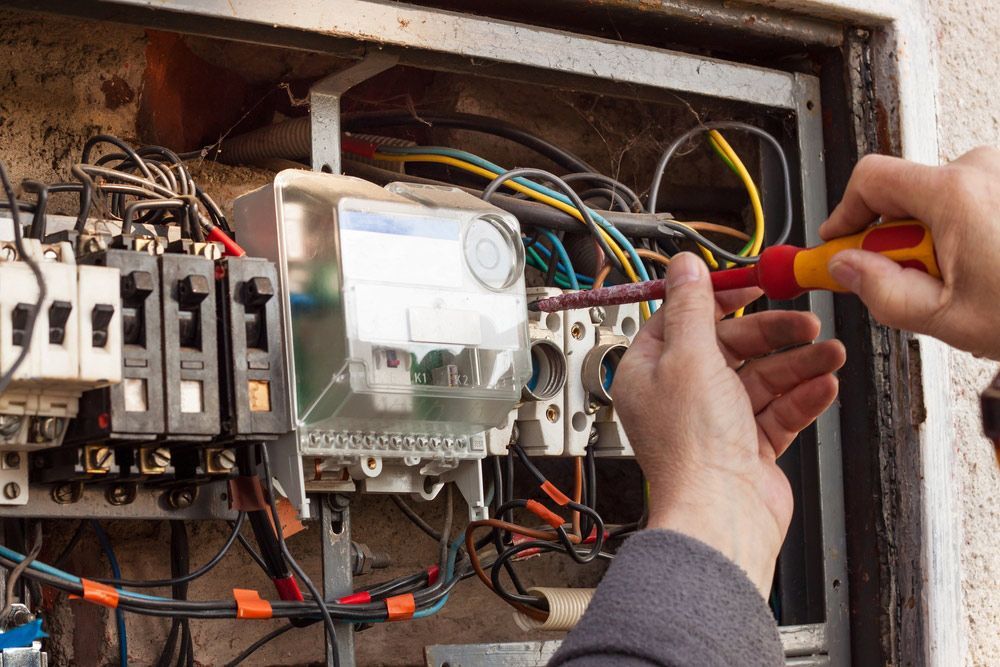
The assessment should consider the age and configuration of the solar system, inverter compatibility, switchboard condition, available installation location and your household's electricity profile. The electrician can then determine what additional equipment or electrical work may be required.
Your solar generation history is also valuable. If your system consistently exports significant amounts of energy during daylight hours, that provides useful information when determining an appropriate battery capacity.
A licensed electrician Ballina homeowners can work with should also assess the electrical installation and compatibility before you commit to battery storage.
Avoid choosing battery capacity based solely on the biggest system within your budget. The objective is to match the solar and battery system to how your household actually generates and consumes electricity.
Does a Battery Mean You'll Never Need the Grid?
Not necessarily. Most residential solar-and-battery systems remain grid connected, and the amount of grid electricity you need will vary with solar generation, household demand, weather and battery capacity.
Several cloudy days or unusually high electricity consumption can reduce the amount of stored solar available. A battery therefore shouldn't be treated as a guarantee that a household will eliminate electricity bills or grid consumption.
Backup power is another area where expectations need to be clear. Not every battery installation automatically provides whole-home backup during a blackout. The system needs to be designed and configured appropriately if backup power is an important goal.
For some Ballina homeowners, greater energy independence may still be an important reason to consider storage even if the purely financial payback isn't their only priority.
How Can You Work Out Whether a Solar Battery Is Worth It for Your Home?
The most useful battery assessment starts with your own electricity data.
Look at recent bills and, where available, solar monitoring information. Identify how much electricity you export during daylight hours and how much grid electricity you purchase after solar generation falls.
Then consider:
- How much excess solar do you regularly produce?
- When does your household consume the most electricity?
- What do you currently pay for grid electricity?
- What feed-in tariff does your retailer currently provide?
- How much usable battery capacity would suit your consumption?
- What incentives are you currently eligible for?
- Will additional electrical or switchboard work be required?
- Is backup power important to you?
This provides a much more realistic picture than relying on a generic battery payback estimate.
If you're exploring solar Ballina options, Peter Gow Electrical can assess your roof, existing or proposed solar system, electricity usage and electrical setup to help determine an appropriate solution.
You can also learn more about the solar systems Peter Gow Electrical installs across the Northern Rivers.
When Might a Solar Battery Not Be the Right Choice?
A battery may be less compelling if you already consume most of your solar generation directly during daylight hours and export very little.
It can also make sense to reconsider the battery size if the proposed capacity is much larger than the amount of excess solar you normally generate or the electricity you use overnight.
Budget matters as well. Even with available incentives, a battery remains a significant household investment. The question shouldn't simply be "is solar battery worth it?" but rather "does this particular battery system make sense for the way my household uses electricity?"
A properly sized solar-only system may remain the more appropriate first step for some homes. Other households may find that adding storage better matches their goal of using more of their own solar generation.
What's the Next Step for Ballina Homeowners Considering Battery Storage?
Start with your electricity bills, usage profile and existing solar performance rather than choosing a battery based on capacity or price alone.
For homeowners researching solar Ballina NSW options, local system design matters. Your roof, electricity usage, existing equipment, switchboard and grid connection all influence what type of solar-and-battery setup is practical.
Peter Gow Electrical can assess these factors and explain the options in plain English before you commit. Contact the team to discuss solar battery storage or a new solar system for your Ballina property and get advice based on your actual energy needs.
Frequently Asked Questions
Is a solar battery worth it in Australia?
A solar battery can be worthwhile for households that produce surplus solar during the day and use significant electricity later when their panels aren't generating. The financial result depends on electricity tariffs, solar exports, battery size, incentives, installation cost and household consumption.
How much does a solar battery cost in NSW?
Solar battery cost varies substantially according to battery size, model and installation requirements. Current government guidance shows there is a broad range in installed costs, while eligible federal incentives can reduce the upfront expense.
Can I add a battery to my existing solar system?
In many cases, yes, but compatibility needs to be assessed first. Your existing inverter, solar capacity, switchboard, system configuration and proposed battery installation all need to be considered before determining the right approach.
Will a solar battery work during a blackout?
Only if the battery system has the appropriate backup capability and has been designed and installed for that purpose. Homeowners who consider blackout protection important should discuss backup requirements when the system is being designed.
How do I choose the right solar battery size?
Battery size should reflect how much excess solar your system produces and how much electricity your household typically uses outside solar-generating hours. Reviewing actual consumption and export data gives an installer a stronger basis for recommending suitable capacity.
Are there solar battery incentives available in NSW?
Yes. Eligible households can currently access the Australian Government's Cheaper Home Batteries Program, while NSW also has an incentive for eligible batteries connected to a Virtual Power Plant. Eligibility and program details can change, so check current requirements before proceeding.