How to Know When Your Property Needs Electrical Rewiring
Electrical issues are easy to ignore until they become disruptive or worrying. A light flickers, a power point feels loose, the circuit trips “sometimes”, and it’s tempting to put it down to an old home. In reality, small signs can be early clues that wiring and switchboard components are no longer suited to modern loads.
Ballina has many older properties built for simpler demand. Today’s homes run multiple air conditioners, big fridges, induction cooking, home offices and device chargers all day. When the system wasn’t designed for that, problems show up as nuisance faults, safety risks, or limits on future upgrades. If you’re looking for an electrician in Ballina, this guide explains the common warning signs and what an inspection and upgrade pathway can look like.
The Warning Signs Your Wiring Shouldn’t Ignore
Some symptoms are common in ageing electrical systems. They don’t always mean you need a full rewire, but they do mean it’s time for an inspection, especially if issues repeat or appear in multiple rooms.
Watch for:
- lights that flicker or dim when appliances start
- power points that feel loose, spark, or show discolouration
- frequent circuit breaker trips or blown fuses
- burning smells, buzzing, or warm wall plates
- an ageing switchboard with limited protection devices
- brittle cable insulation discovered during renovations
I
f you’re renovating, exposed wiring is a “now or never” moment. Once walls and ceilings are closed up, upgrades become more disruptive and expensive. In many cases, rewiring key areas during a renovation reduces future risk and hassle.
Flickering Lights and Power Fluctuations: What They Can Indicate
Flickering lights can be simple, such as a failing globe or loose fitting. But repeated flicker, dimming across multiple rooms, or lights that change when other appliances start can indicate loose connections, voltage drop, overloaded circuits, or a switchboard struggling under load.
A small momentary change when a large appliance starts can be normal. What’s not ideal is frequent or worsening fluctuation, especially paired with warm switches or repeated tripping. Because flicker can be intermittent, people often delay action. A qualified electrician can test circuits and connections to confirm whether the issue is localised or a broader capacity problem.
Frequent Trips and Blown Fuses: When Circuits Are Overloaded
Breakers trip to prevent overheating or damage. If you’re resetting the same breaker often, or you’re still dealing with blown fuses, it’s a sign the system needs assessment rather than workarounds like extra power boards.
Common causes include too many high-draw appliances on one circuit, ageing wiring, faulty appliances, or loose connections that heat under load. Older homes may also have fewer circuits than a modern household needs, meaning kitchens, living areas and bedrooms share capacity in ways that no longer suit today’s usage.
In some cases the fix is better circuit separation, dedicated circuits for high-load appliances, or a switchboard upgrade. In others, rewiring a house may be recommended to address widespread deterioration.
Burning Smells, Hot Switches, and Other Urgent Red Flags
Some signs should be treated as urgent. Burning smells, warm or hot switches and power points, buzzing, scorch marks, or sparking are not normal. They can indicate overheating, arcing, or damaged components.
If you notice a burning odour near a switchboard or outlet, a switch plate that feels hot, or visible melting and cracking, stop using the affected circuit if you can and arrange an inspection promptly. Avoid DIY checks inside switchboards. A licensed electrician can identify the source, isolate the issue, and recommend the safest repair path, whether that’s a targeted fix, switchboard work, or a rewire.
Outdated Wiring Types Often Found in Older Ballina Homes
In older homes, electricians sometimes find brittle insulation, damaged sheaths, or wiring methods that don’t align with modern standards. Renovations can also reveal a mix of wiring ages from past additions, which can create weak points where different materials or sizes were joined.
Not every older property needs full house rewiring in Ballina. However, older wiring increases the value of a professional inspection, particularly if you’re seeing flicker, frequent trips, or heat-related warning signs. An inspection can clarify whether upgrades are needed throughout, or only in high-load zones like kitchens, air conditioning circuits, and switchboard feeds.
Switchboards and Safety Switches: Why Upgrades Go Hand-in-Hand
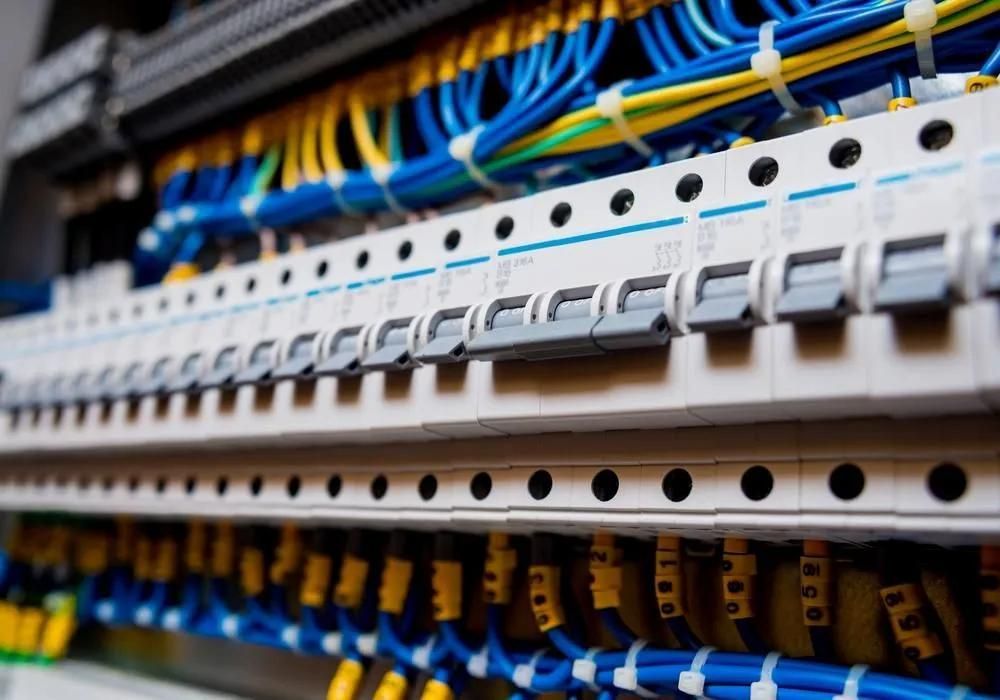
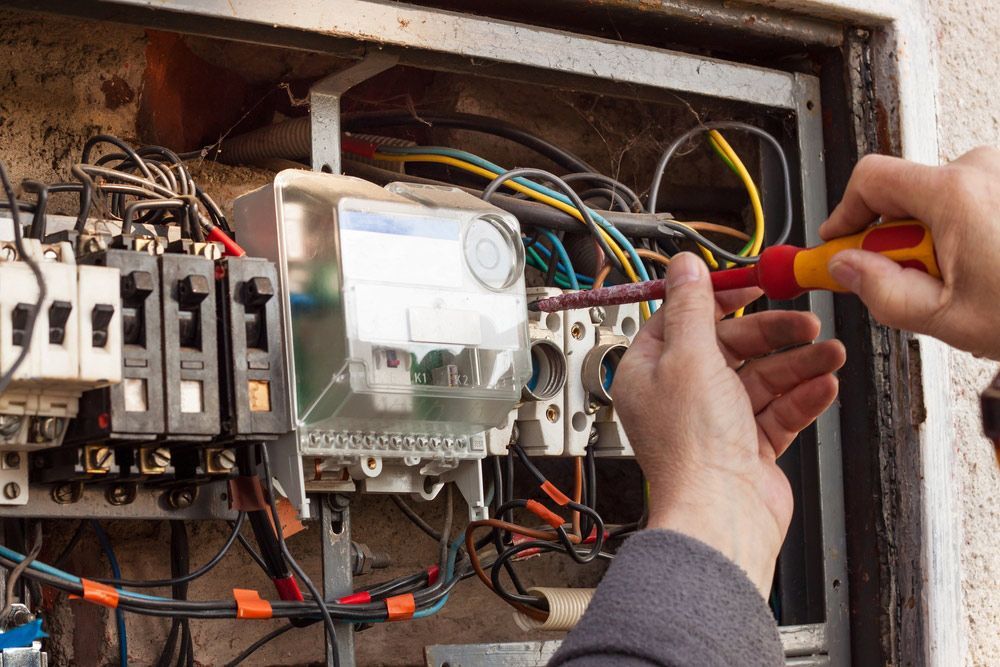
A rewire isn’t only about cables in walls. The switchboard is the control centre, and many older boards lack modern circuit breakers and complete safety switch (RCD) coverage. Limited circuit separation can also make the home harder to run efficiently and safely as demand increases.
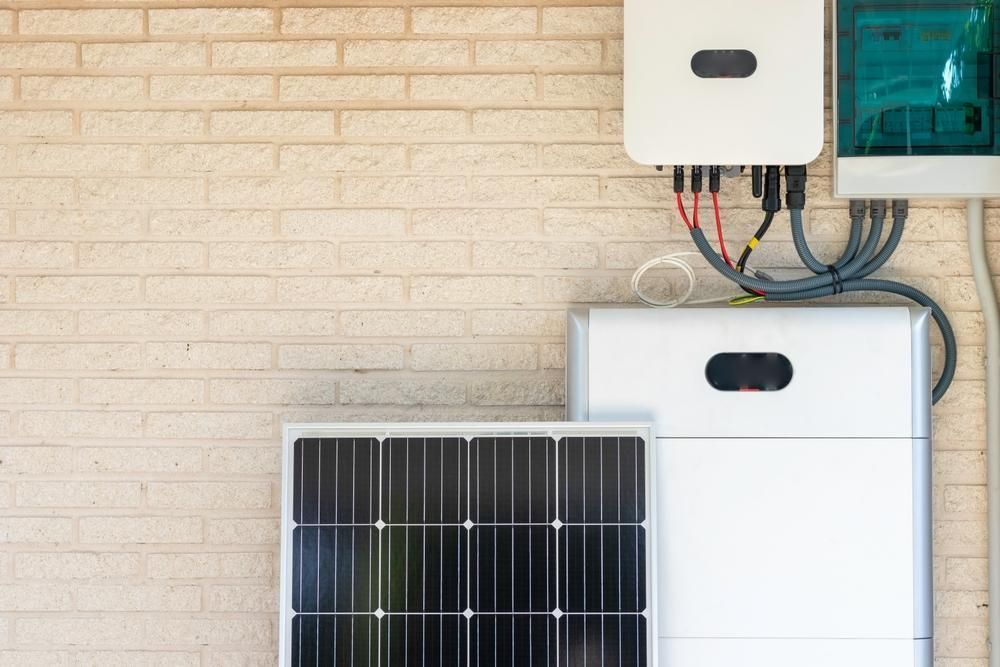
Upgrading a switchboard can support safer fault protection and make it easier to add future loads such as new air conditioning, induction cooking, solar, batteries, or EV charging. For many homeowners, improving electrical Ballina systems starts with the switchboard, even if a full rewire isn’t required.
Rewiring Benefits: Capacity for Modern Appliances and Future Proofing
When a full rewire is genuinely needed, it can remove uncertainty and improve day-to-day reliability. A modernised system typically offers better circuit separation, improved protection devices, and clearer support for higher-demand appliances.
Benefits can include fewer nuisance faults, safer operation, better readiness for upgrades, and improved buyer confidence for resale in older homes. A rewire is a significant project, so it should be recommended based on inspection findings, not fear. A good electrician will explain what was found, what risks exist, and whether a full rewire or staged upgrades are the most sensible path.
What an Electrical Inspection and Rewire Process Usually Involves
An inspection usually starts with questions about symptoms and household usage, then checks the switchboard, circuit protection, earthing, visible wiring condition, and signs of heat stress. Testing may be recommended to assess circuit performance and identify faults.
If a rewire is required, the process typically involves confirming scope, discussing access and patching, upgrading the switchboard if needed, installing new cabling and outlets, and testing and certifying the work for compliance.
In many cases, work can be staged for occupied homes, prioritising the most critical circuits first. If you’re weighing up a rewire, ask what the minimum safe scope is, what can be staged, and how to reduce disruption.
Book an Electrical Assessment in Ballina
We at Peter Gow Electrical help homeowners understand what their wiring is doing now, what risks may be present, and what upgrade pathway makes sense for the home and budget. If you need an electrician in Ballina to assess properties for safety and capacity, contact us to book an inspection and get clear advice on whether electrical rewiring is required and what next steps look like.