Electrical Safety Tips for Ballina’s Coastal Properties
Living near the coast has its advantages, but the salty air and high humidity can quietly cause damage behind the scenes, especially to electrical systems. Outdoor fittings corrode faster, moisture gets into places it shouldn’t, and heavy rainfall can trigger faults that seem to appear overnight. For homeowners, landlords and property managers, the goal is not to panic about every flicker or trip, but to stay ahead of the risks that coastal conditions can create—with support from a trusted electrician in Ballina when needed.
The good news is that most electrical problems give early warning signs. Simple habits, such as testing safety switches, checking outdoor power points, and staying up-to-date with smoke alarm compliance, can significantly reduce risks. A regular inspection can also detect corrosion or deterioration before it develops into a fault or safety issue.
Below are practical, coastal-specific electrical safety tips to help protect your property and the people in it.
Salt Air and Corrosion: The Coastal Issue Most Homes Underestimate
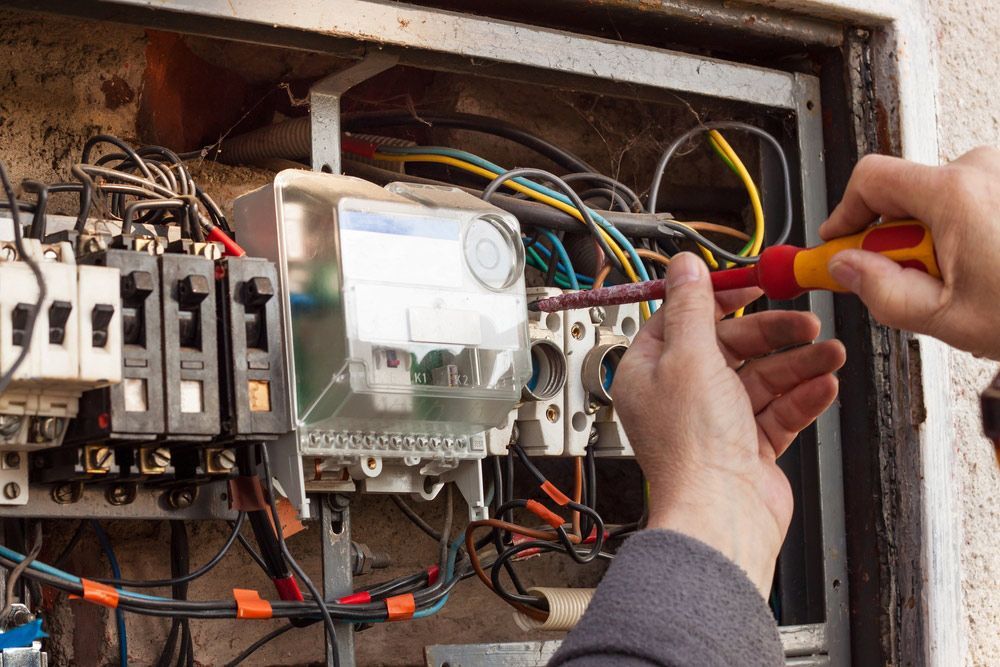
Salt air speeds up corrosion on exposed metal components, and electrical fittings are no exception. Outdoor switches, light fittings and meter boxes often show signs of rust long before homeowners realise the underlying connections may also be affected.
· Corrosion can weaken terminals, cause poor connections and create heat build-up
· Outdoor fittings and meter boxes are often the first to degrade due to constant exposure
· Early signs include rust staining, loose covers, or fittings that feel rough or brittle
Regular inspections are essential for coastal homes because corrosion damage can develop more quickly than expected. A licensed electrician can assess whether fittings need replacement, resealing, or upgrading to suit coastal conditions.
Outdoor Power Points and Pool Areas: High-Risk Zones That Need Extra Attention
Outdoor power is convenient, but it also increases risk when moisture, salt and wear are involved. Pool areas, garden lighting, and external power points require proper weatherproofing and the right safety protections, especially in homes where outdoor living is a significant part of daily life.
· Weatherproof covers can crack or warp, allowing moisture into electrical connections
· RCD (safety switch) protection is essential in outdoor areas, particularly near pools and water features
· Loose outdoor power points or water-damaged fittings should be addressed early
Outdoor electrical work should always be done by a licensed electrician. If outdoor power is heavily used, scheduling checks as part of routine property maintenance can reduce fault risks and extend the life of fittings.
RCDs and Safety Switch Testing: The 10-Second Habit That Matters
Safety switches (RCDs) are designed to cut power quickly when a fault is detected, reducing the risk of electric shock. Many homeowners assume that if an RCD is installed, it’s working. But like any safety device, it needs regular testing to confirm it still responds correctly.
· Testing involves using the “test” button to confirm the switch trips as expected
· If it won’t trip, won’t reset, or trips repeatedly, it needs assessment
· Regular testing supports household safety, especially in coastal conditions where moisture exposure is higher
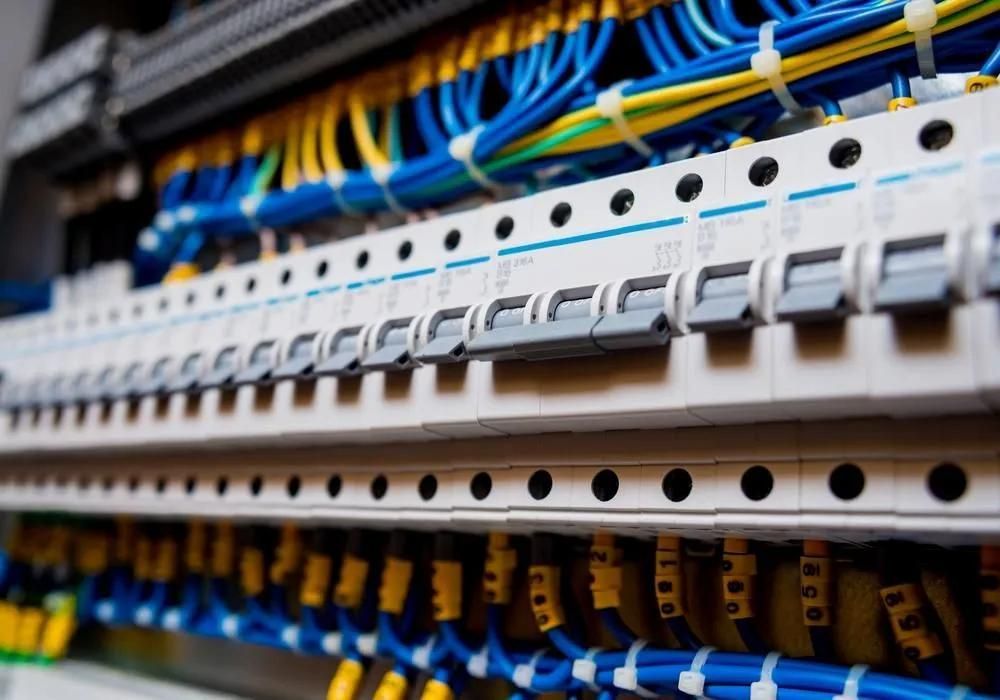
If you are unsure whether your switchboard has current protection, a licensed electrician can inspect it and advise whether upgrades are required to meet modern safety standards.
Water Ingress After Heavy Rain: Where Faults Often Start
Heavy rainfall can expose weak points in a home’s electrical system. Moisture can travel through roof spaces, enter outdoor fittings, or seep into areas like meter boxes and external junction points. Even small water ingress issues can trigger faults once wiring becomes damp.
· Roof leaks can lead to water entering ceiling spaces where wiring and fittings are located
· Outdoor lighting and garden connections are common fault points after storms
· Damp meter boxes or switchboard areas can cause tripping or intermittent power issues
If faults appear after heavy rain, it’s best not to ignore them. Moisture-related electrical faults can worsen if the source isn’t identified and repaired properly.
Older Homes and Renovations: When Wiring Is Not Built for Modern Demand
Many older homes were wired for a much smaller electrical load than modern households use today. Renovations often add appliances, air conditioning, pool equipment, and outdoor lighting, all of which increase demand. If the wiring or switchboard hasn’t been upgraded, it can lead to ongoing electrical strain.
· Older wiring may deteriorate over time and become less reliable
· Limited circuits can lead to overloaded power points and constant use of power boards
· Upgrades may be needed to support modern appliances safely and reduce nuisance tripping
An inspection can confirm whether your electrical system meets current usage requirements. This is particularly relevant for investment properties and holiday rentals, where multiple appliances may operate simultaneously.
Smoke Alarms and Household Safety Checks: What Property Owners Should Stay On Top Of
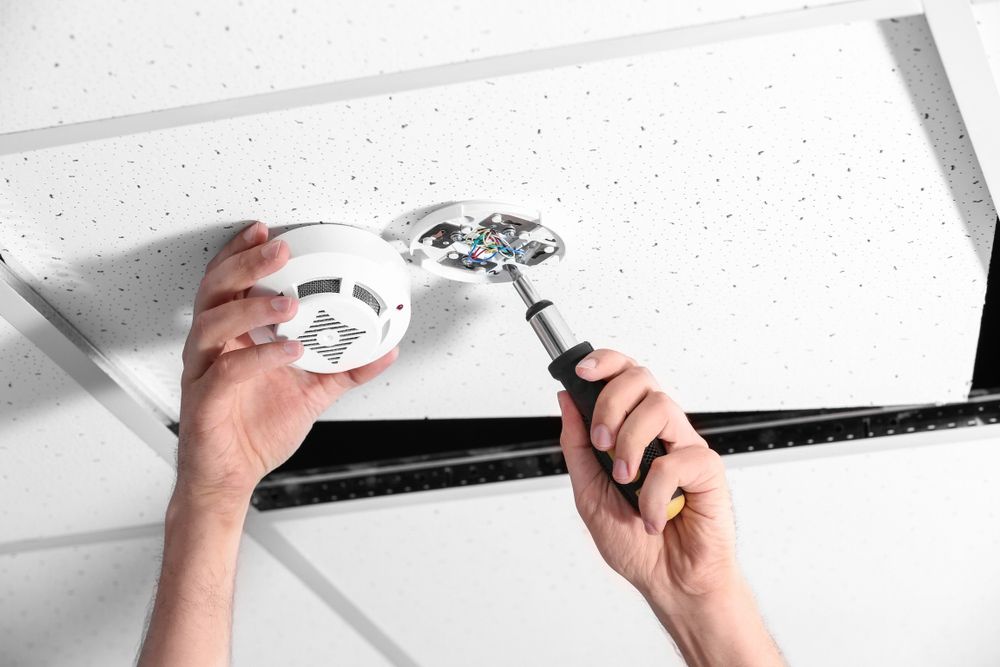
Smoke alarms are a key part of household safety and compliance, particularly for landlords and short-term rental operators. In coastal homes, humidity and corrosion can also affect alarm reliability if devices are ageing or incorrectly placed.
· Smoke alarms should be tested regularly and replaced according to manufacturer guidelines
· The correct type and placement matters, especially near bedrooms and escape paths
· Landlords have specific responsibilities, and compliance requirements can change
A licensed electrician can install and check smoke alarms as part of routine safety maintenance. This helps property owners stay compliant and reduces risk for occupants.
Appliance and Extension Lead Safety: Small Habits That Prevent Big Problems
Many electrical incidents start with everyday items people don’t think twice about. Damaged extension leads, overloaded power boards, and poorly ventilated appliances can all create hazards, especially in homes where electrical use is high during summer.
· Damaged cords and frayed leads should be replaced, not taped or patched
· Power boards should not be overloaded or used as permanent wiring solutions
· Appliances need space for ventilation, particularly in humid conditions where heat build-up can occur
These are simple habits, but they can prevent a large percentage of household electrical faults. If you notice recurring issues, a licensed electrician can assess whether the problem is related to the appliance or linked to wiring and circuits.
When to Call an Electrician: Warning Signs That Shouldn’t Be Ignored
Some electrical warning signs are easy to dismiss. A flicker here, a warm power point there. But small symptoms can indicate a bigger fault developing, particularly in coastal homes where corrosion and moisture issues can accelerate deterioration.
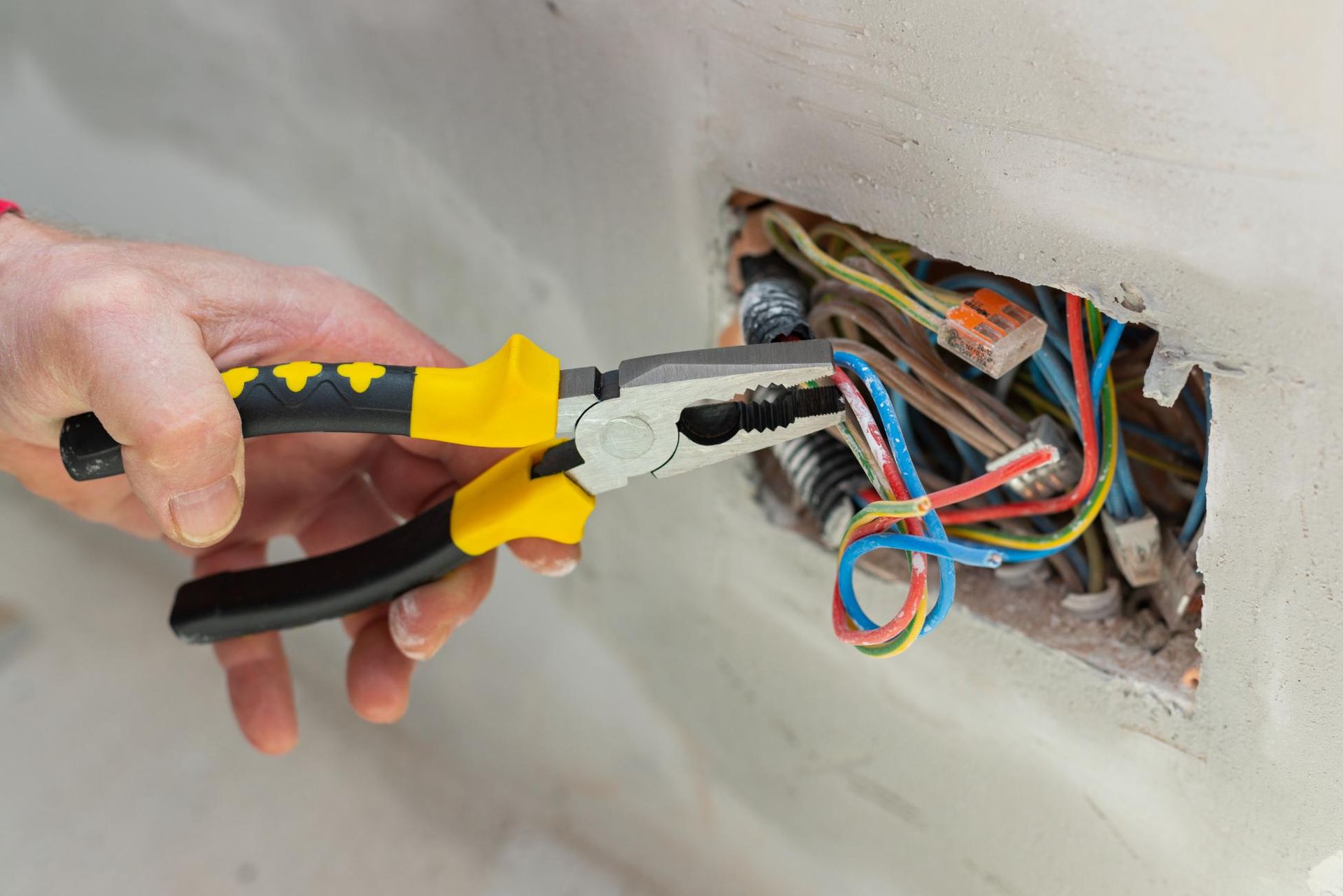
· Frequent tripping, buzzing sounds, flickering lights or burning smells should be checked quickly
· Warm power points, sparking, or discoloured fittings can signal unsafe wiring or connections
· Intermittent faults after rain may point to water ingress, corroded connections, or deteriorating fittings
If you notice these signs, it’s best to arrange an inspection rather than waiting. A qualified electrician Ballina property owners trust can diagnose faults safely and recommend practical repairs.
Coastal homes around Ballina are subject to conditions that can wear out electrical systems more quickly than expected, from salt air corrosion to moisture-related faults following heavy rain. Here at Peter Gow Electrical, we help property owners stay ahead of risks with inspections, repairs, safety switch testing and practical upgrades. If you’re looking for a reliable electrician Ballina locals can call for preventative advice or want support implementing clear electrical safety tips, visit https://www.petergowelectrical.com.au/ to book a service or request a quote.