How Businesses in Ballina Can Improve Electrical Safety & Compliance
Most electrical risks in business premises don’t look dramatic—they build quietly over time. A power point loosens, a switchboard is pushed beyond its intended design, or a piece of equipment draws more load than expected. On a busy workday, nobody notices until something trips, overheats, or shuts down. That’s why working with a qualified electrician in Ballina can help identify these issues early, before they disrupt operations or create safety hazards.
For businesses, electrical safety isn’t only about preventing accidents. It’s also about reducing downtime, meeting compliance obligations, and protecting staff, customers, and assets. If you operate a retail space, office, hospitality venue, or light industrial site, electrical compliance should be an integral part of your regular risk management plan—not something you scramble for when an inspection is due.
This guide outlines practical steps businesses can take to enhance electrical safety and maintain compliance, providing clear actions that support safer workplaces and more reliable operations.
Compliance Starts With Knowing What You’re Responsible For
Electrical compliance isn’t a one-size-fits-all checklist. Responsibilities can vary depending on whether you own the building, lease the premises, or manage the site on a day-to-day basis. What stays consistent is the obligation to provide a safe environment for staff and the public.
· Business owners and managers have a duty to manage electrical risks in the workplace
· Landlords and property managers may be responsible for the safety of fixed wiring and infrastructure
· Regular inspections help identify risks early and create a paper trail that shows proactive management
A qualified commercial electrician Ballina businesses rely on can help you understand what applies to your specific site and develop a practical plan that supports compliance without disrupting operations.
Why “It’s Working Fine” Isn’t a Safety Check
Electrical systems can operate normally right up until the point they fail. Many hazards aren’t immediately apparent, especially in older buildings or high-traffic environments. If a business only responds to electrical issues when something stops working, it increases the risk of downtime and safety incidents.
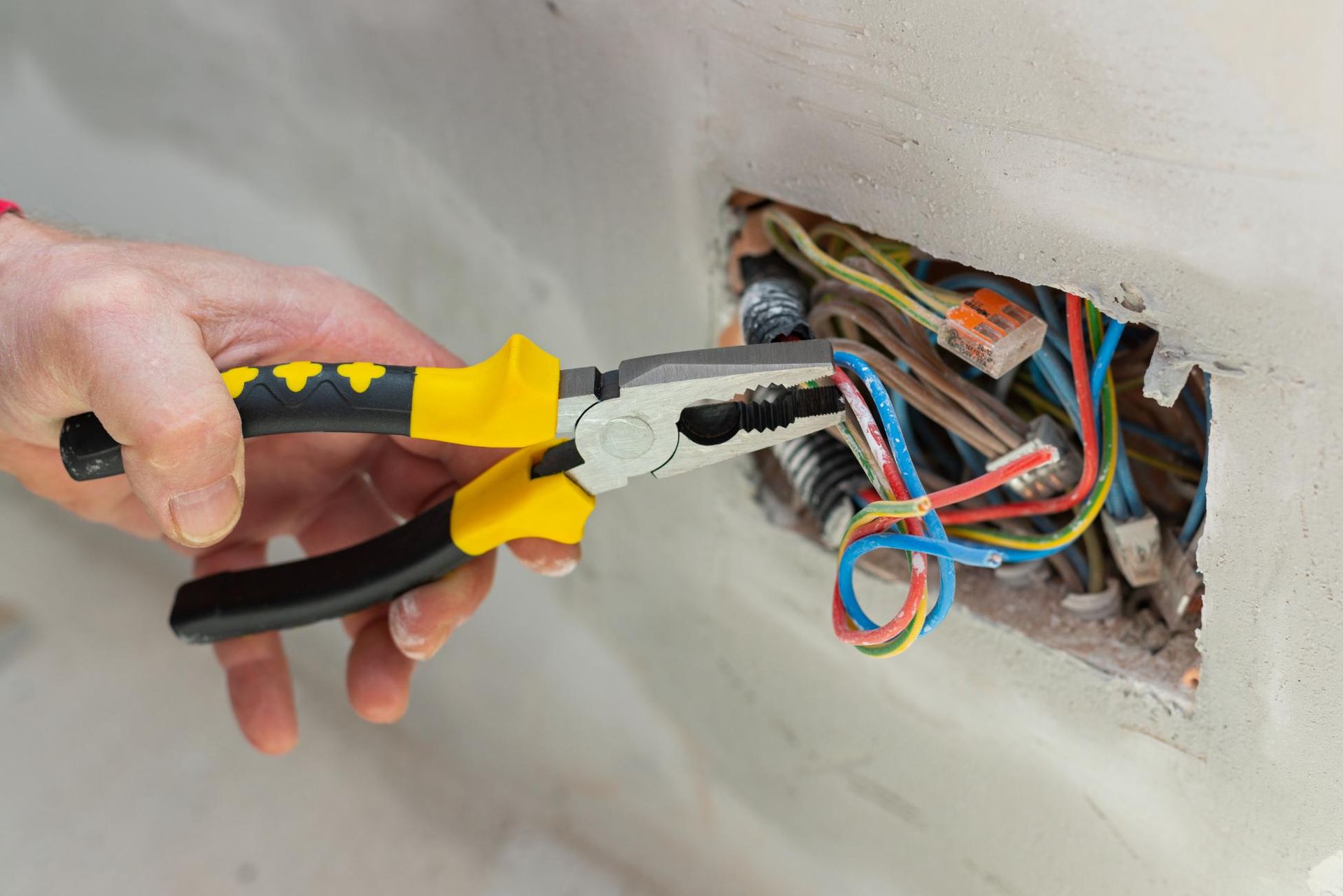
· Loose wiring, damaged outlets, and overloaded circuits can exist without obvious symptoms
· Heat build-up behind switchboards and equipment can become a fire risk
· Repeated tripping or “temporary fixes” often signals a bigger underlying problem
Routine fault finding and preventative checks are often the simplest way to reduce risk. An electrician Ballina businesses work with can assess problem areas before they turn into shutdowns or hazards.
Switchboards, RCDs and Safety Switches: The Non-Negotiables
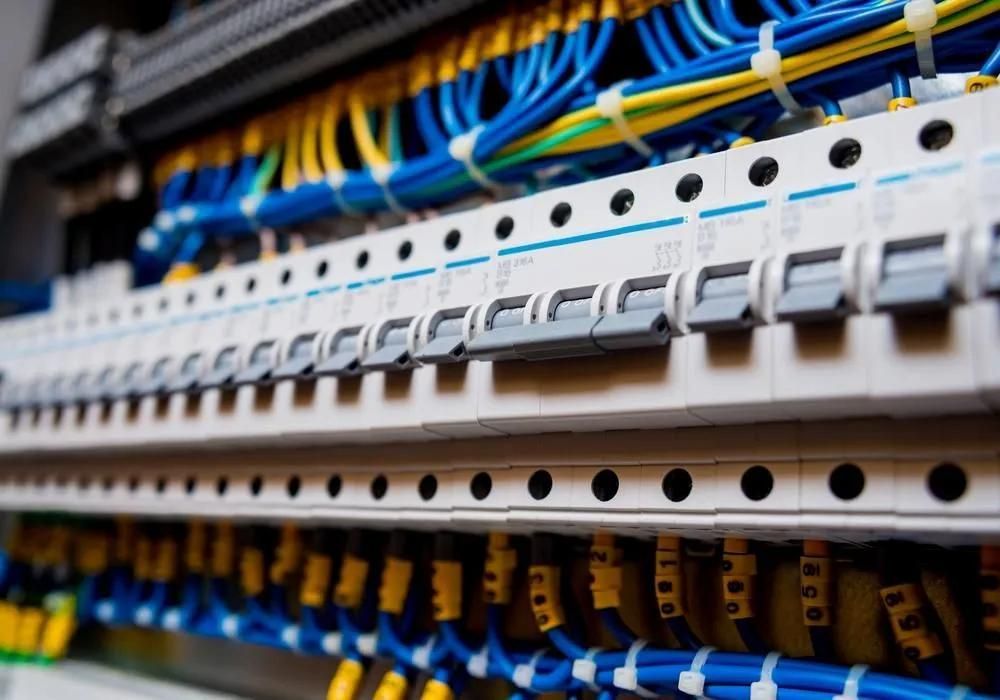
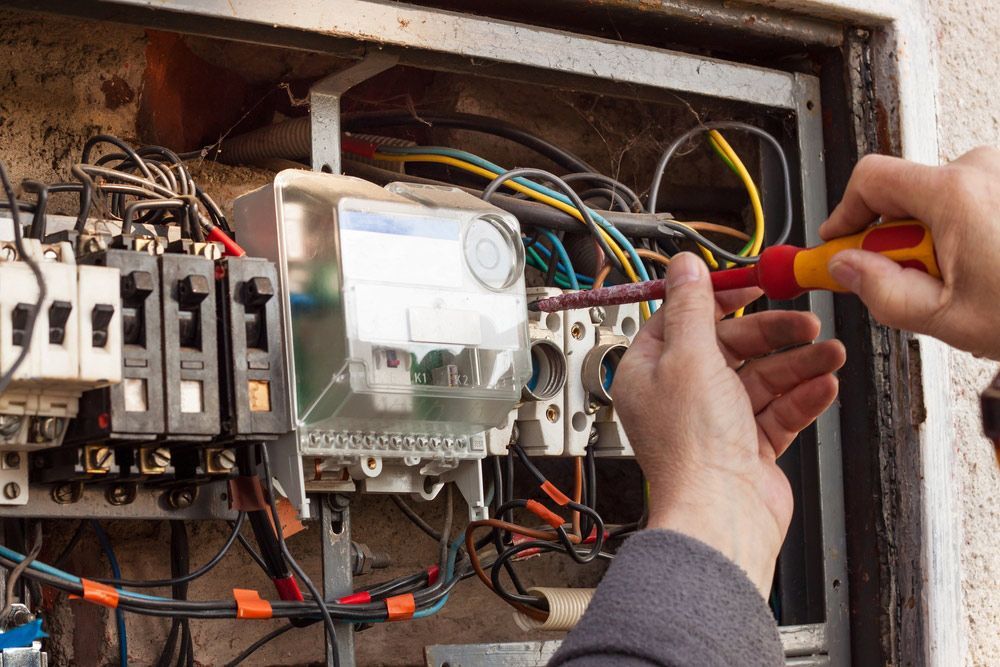
Switchboards are the control centre of your electrical system. In many commercial premises, switchboards have been expanded over time with additional circuits; however, the original infrastructure may not meet current demand. RCDs (residual current devices, also known as safety switches) are also essential for reducing the risk of shock in workplaces.
· Older switchboards may lack modern protection or show signs of wear, corrosion, or unsafe modifications
· RCD protection helps reduce risk when equipment faults occur or when staff use appliances daily
· Regular testing is important because safety devices can fail silently over time
Switchboard upgrades and RCD testing are common commercial services, particularly for businesses that have expanded their equipment load or operate in high-use environments.
Test and Tag Programs: What They Cover and How Often to Do Them
Test and tag is one of the clearest steps businesses can take to reduce appliance-related electrical risks. It applies to portable electrical equipment, not fixed wiring. Frequency depends on the environment, because a workshop or construction-style setting carries different risks than a low-use office.
· Test and tag covers portable items like extension leads, power tools, kitchen appliances and office equipment
· The aim is to identify damaged cords, faulty insulation, and unsafe appliances before they cause harm
· Testing schedules should match the workplace setting and how frequently the equipment is used
A structured test and tag program creates clear records and supports compliance, particularly for businesses with staff who use electrical equipment daily.
Lighting, Emergency Exits and Safety Signage: Often Missed Until Inspection Day
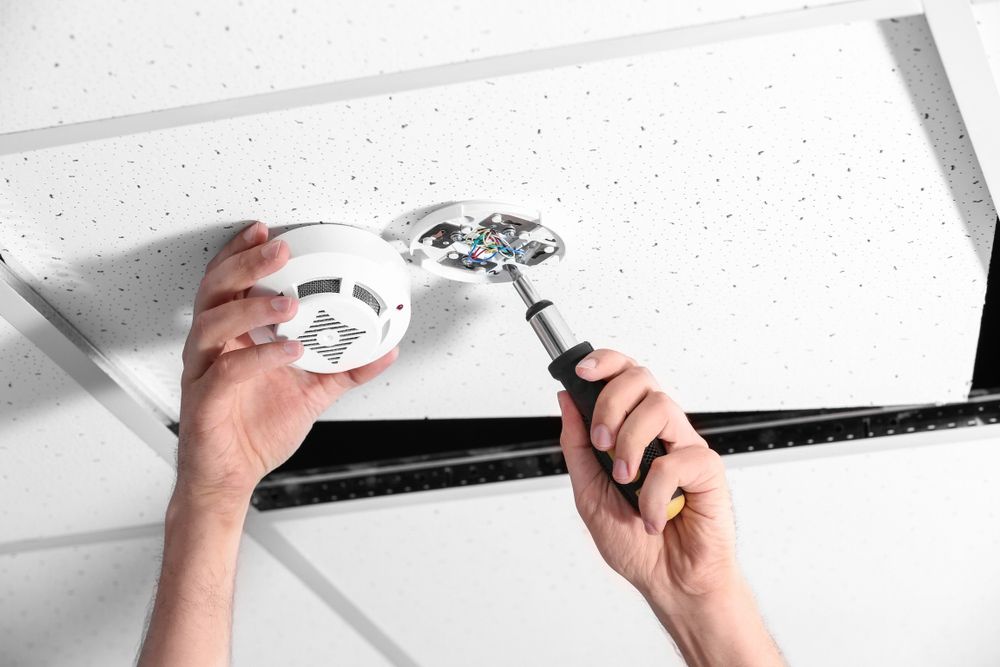
Emergency and exit lighting is easy to forget because it doesn’t get used often, which is exactly why testing matters. If the power goes out and emergency lighting fails, businesses can be exposed to serious risk, especially where customers are present.
· Emergency lighting and exit signs need regular testing to confirm they operate during outages
· Battery failures and damaged fittings are common issues that go unnoticed
· Regular checks reduce the chance of non-compliance and improve safety during incidents
Ongoing maintenance for emergency lighting and signage is a crucial part of workplace safety planning, particularly for hospitality venues, retail spaces, and buildings with multiple exit points.
Power Loads and Equipment Changes: When Your Fit-Out Outgrows the Wiring
Many businesses add equipment over time without reassessing the electrical load. A new espresso machine, additional refrigeration, workshop machinery, or extra air conditioning can all push the system beyond its original design capacity. Even small changes can create stress on circuits.
· Increased load can lead to overheating, tripping, and premature wear on wiring and switchboards
· Power points and circuits may not be rated for the demand of newer equipment
· Load assessment helps prevent repeated shutdowns and supports safe expansion
If you’re planning a new fit-out or adding major equipment, a commercial electrician can assess capacity and recommend upgrades or circuit additions that reduce risk and improve reliability.
Maintenance Scheduling That Reduces Downtime (And Avoids “After Hours Panic”)
Electrical issues tend to show up at the worst time: mid-service, during peak trade, or at closing time when there’s no easy fix. Preventive maintenance scheduling reduces the chances of sudden failure and allows repairs to be done on your terms.
· Routine servicing helps identify wear and safety issues before breakdowns occur
· Planned maintenance can be scheduled around business hours to reduce disruption
· Addressing minor faults early usually costs less than dealing with urgent shutdowns
For many businesses, a simple maintenance routine is the difference between predictable operations and costly reactive call-outs.
Working With a Commercial Electrician: What Documentation and Reporting Should Include
Compliance isn’t only about doing the work. It’s also about being able to show it was done correctly. Businesses should keep records of inspections, test results, repairs, and any upgrades. This supports workplace safety audits, insurance requirements, and landlord obligations.
· Test and tag reports, RCD test records, and compliance documentation should be kept on file
· Any electrical upgrades should come with relevant certificates and clear scope notes
· Maintenance logs help track recurring issues and show proactive risk management
A good commercial electrician will provide clear documentation as part of the service, helping businesses stay organised and compliant over time.
Businesses operating in Ballina often face busy trading hours, ageing infrastructure in some premises, and high equipment demand across hospitality, retail, and light industrial sites. Here at Peter Gow Electrical, we help local business owners manage electrical safety and compliance through inspections, testing, maintenance and practical upgrades. If you need an electrician Ballina businesses rely on, or want to speak with a commercial electrician Ballina owners call for safety checks and ongoing servicing, visit https://www.petergowelectrical.com.au to book a service or request advice.